

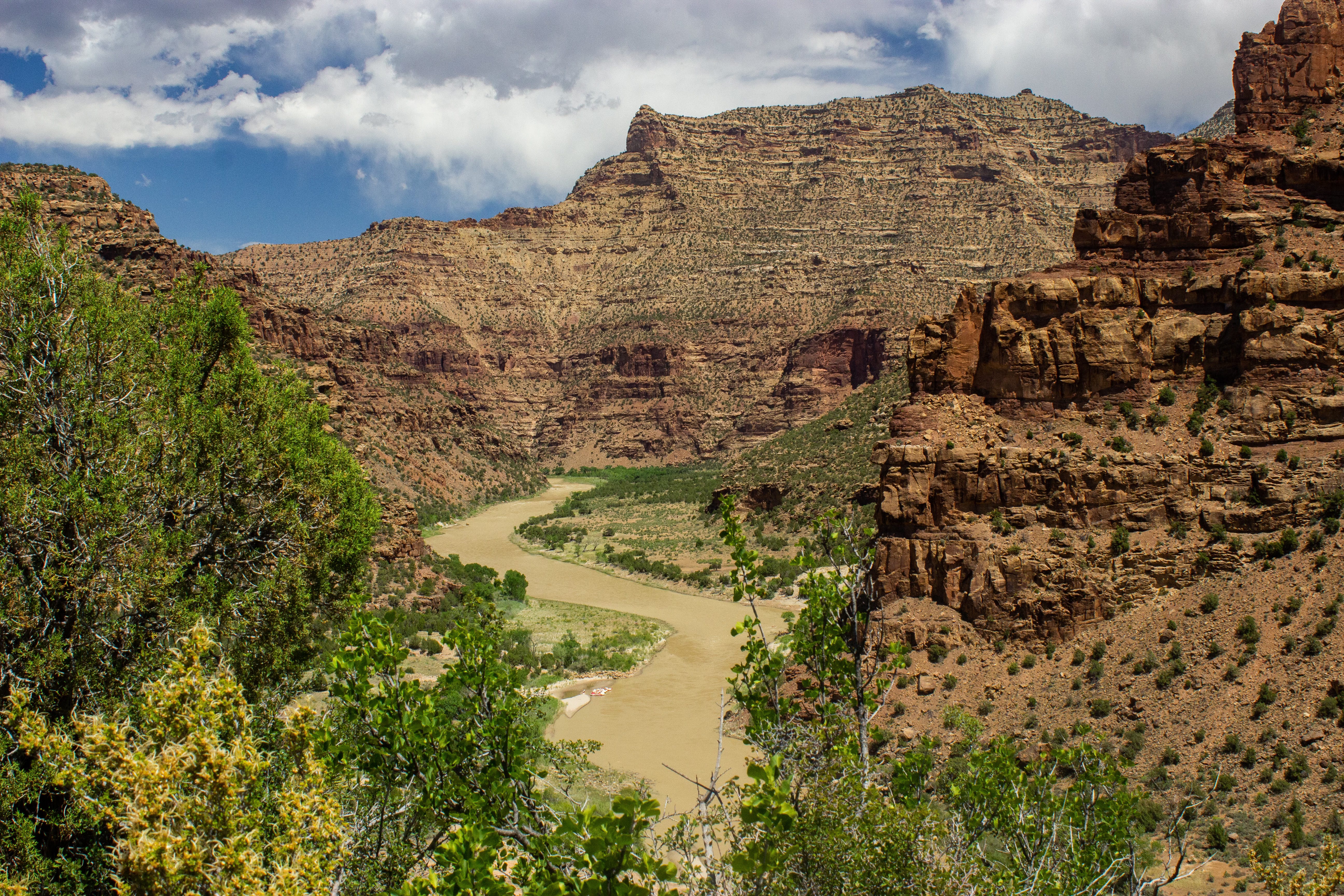
On June 1, Green River flows surged to 4,740 cubic feet per second. This generous water donation was released from Flaming Gorge Reservoir as part of ongoing efforts to protect Lake Powell from a crash. Impossible as it may sound, this dire year of drought has blessed the Colorado River watershed’s longest tributary with healthy flows. Of course, this is borrowing against future water reserves, which may not be replenished. It’s a good year to raft this upper basin river––if you can get a permit.1 Which I did not.
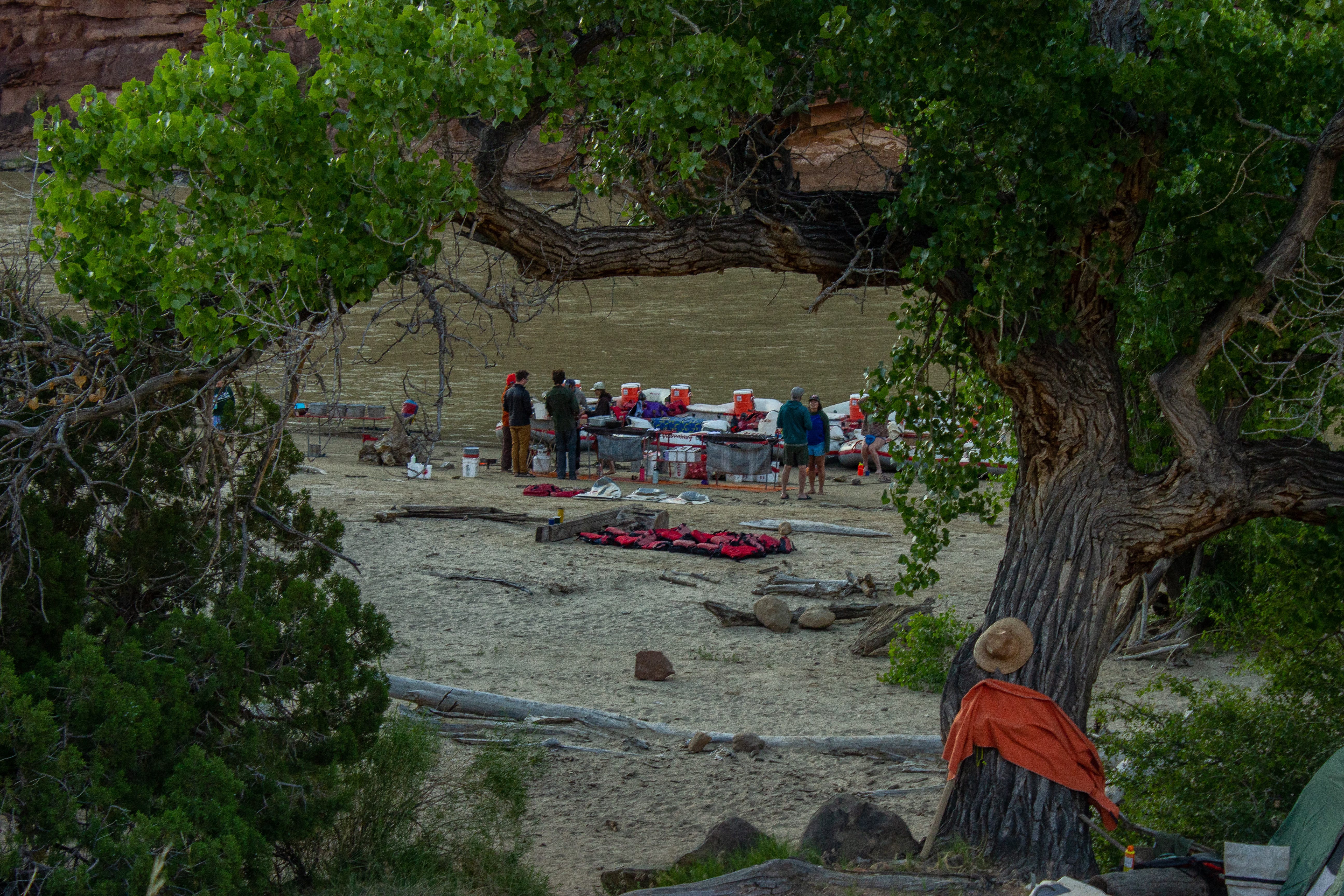
The folks at Holiday River Expeditions graciously allowed me to hitch a ride downstream as a trip photographer and storyteller. For five days, I joined twenty-five floating humans, ages five to seventy, in Desolation and Gray Canyons on the Green River. As a desert hermit, this is a larger crowd than I encounter when I go to town. Most people’s retreat from the world is this desert rat’s fiesta.
I wondered how the group size might affect the experience in a canyon that John Wesley Powell described as a lonely and sorrowful landscape. Perhaps it was just a lack of rain. Powell wrote in 1869, “The walls are almost without vegetation; a few dwarf bushes are seen here and there clinging to the rocks, and cedars grow from the crevices—not like the cedars of a land refreshed with rains, great cones bedecked with spray, but ugly clumps, like war clubs beset with spines. We are minded to call this the Canyon of Desolation.” If so, 2026 is a year of desolation.2
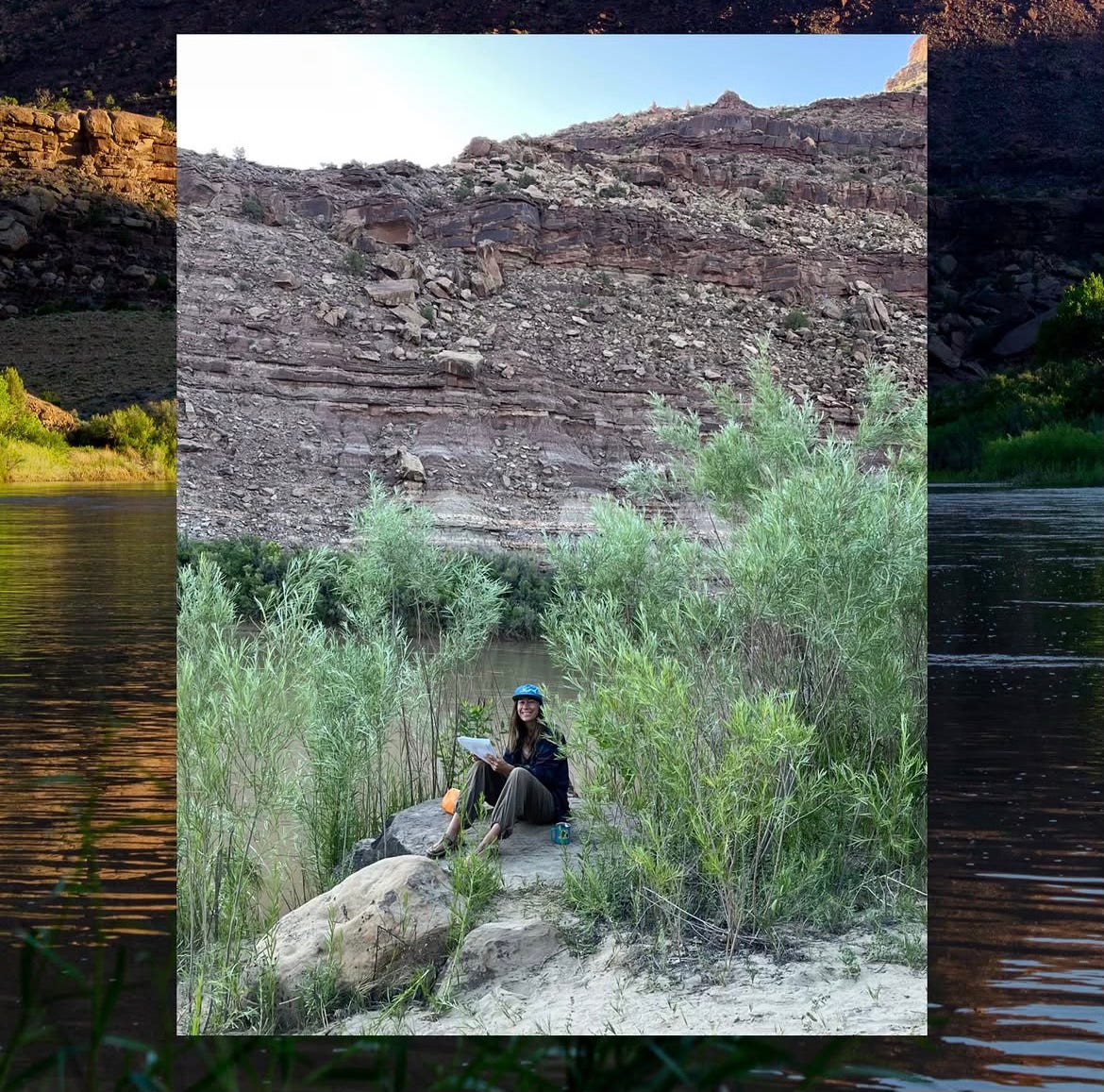
My other trip quest was to read through my printed Riverside manuscript, some 200 pages, which I packed along in a dry bag. Before dinner, I slipped away down the beach to read. As I resisted marking up the document, my brain eddied about the world of the Colorado River that flows beyond the river. Just as water is diverted, decisions about the river’s future are made behind closed doors, far away from the source.
The feds could step in any day with a proposal to manage the river’s plumbing system beyond 2026. I was also missing a “Conference on the Colorado River” co-hosted by The Getches-Wilkinson Center and Water & Tribes Initiative. Instead, I sat by the river and fought the winds for each manuscript page stained with salsa and Tecate.
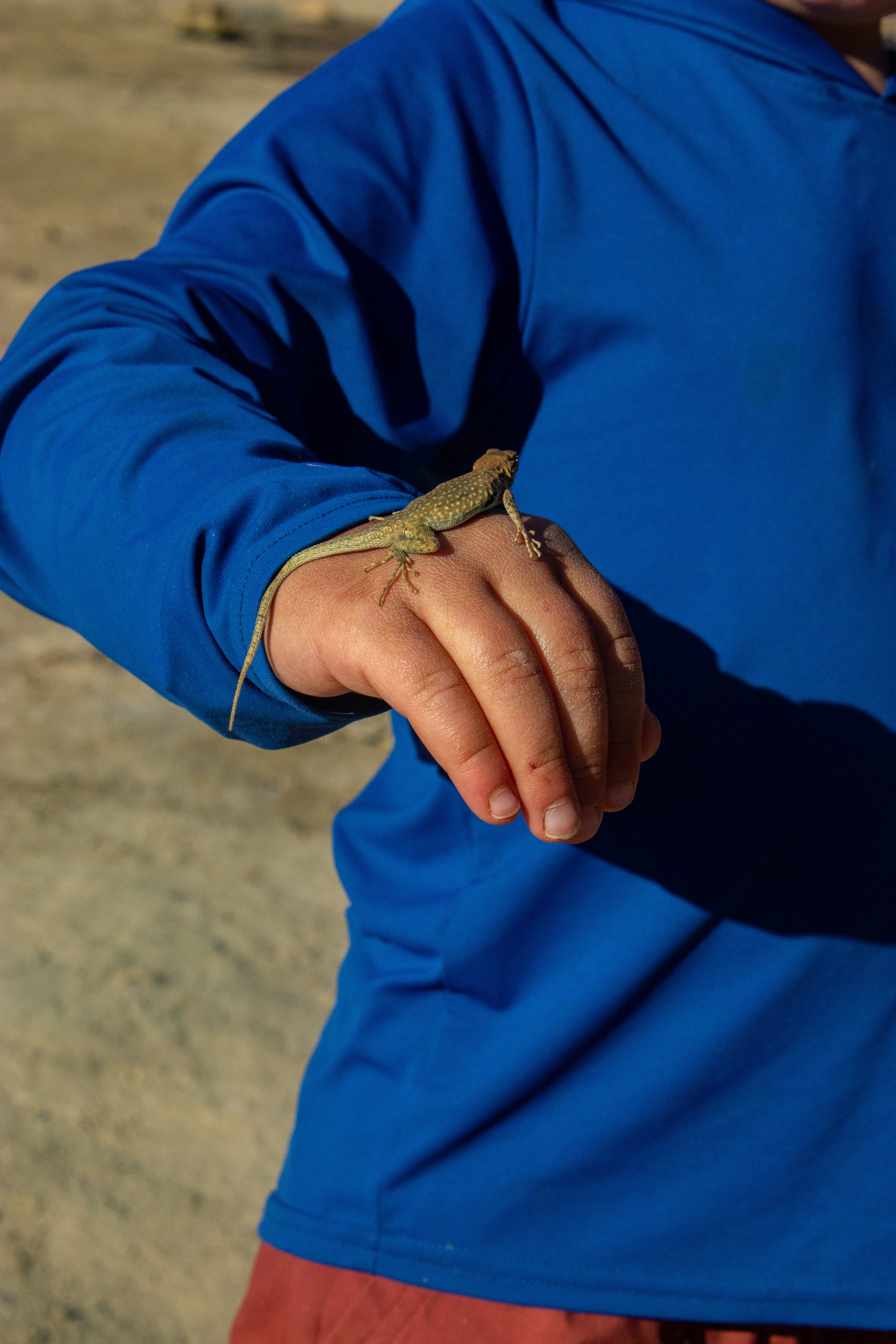
Once I heard a five-year-old squeal and leap into the current, I knew the trip was essential. This was affirmed when someone said, “We need this river to flow when that child is an adult.” Amen. I do not doubt the high-level information presented at the conference, but this is the kind of Colorado River story more of us need to hear. Riverside is devoted to the Colorado River watershed community. It considers how our relationships with the watershed, past and present, will help sustain its 1,700-mile course and our future, even as the climate dries.
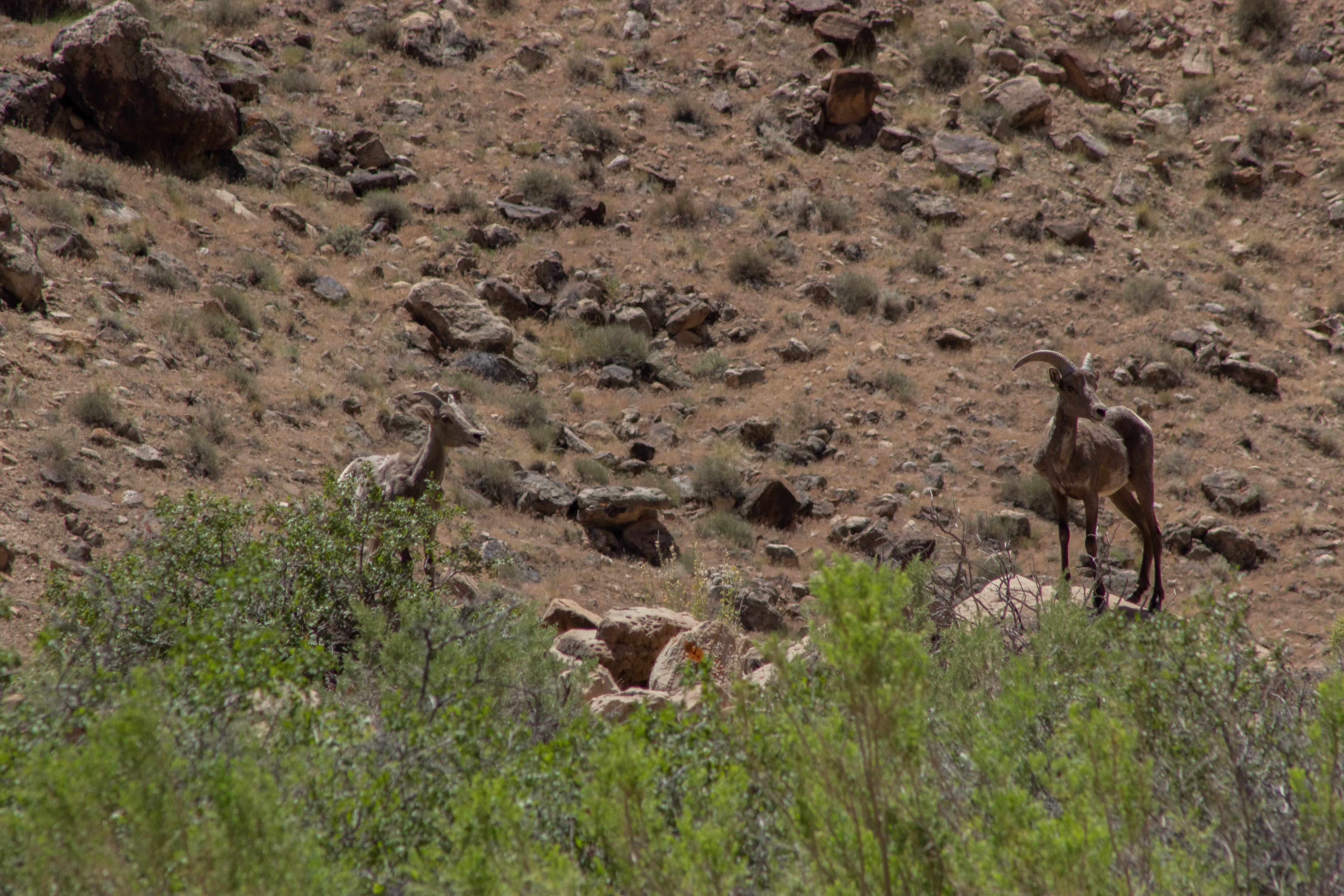
No, I did not interview any policy experts this week. Instead, I sat on a raft and listened to farmers, children, oil businessmen, physicians, Mississippi River rats, Rocky Mountain Big Horn Sheep, and river guides.3 Everyone had profound questions and thoughts about the future of water in the West. Mind you, this was NOT a “water nerd” focused trip. These people were on vacation. So I cautiously dipped my toes into explaining the Colorado River management cluster. I am inspired by how thirsty people are. I am convinced that the river creates a better invitation to be curious about such matters than another doomed headline.
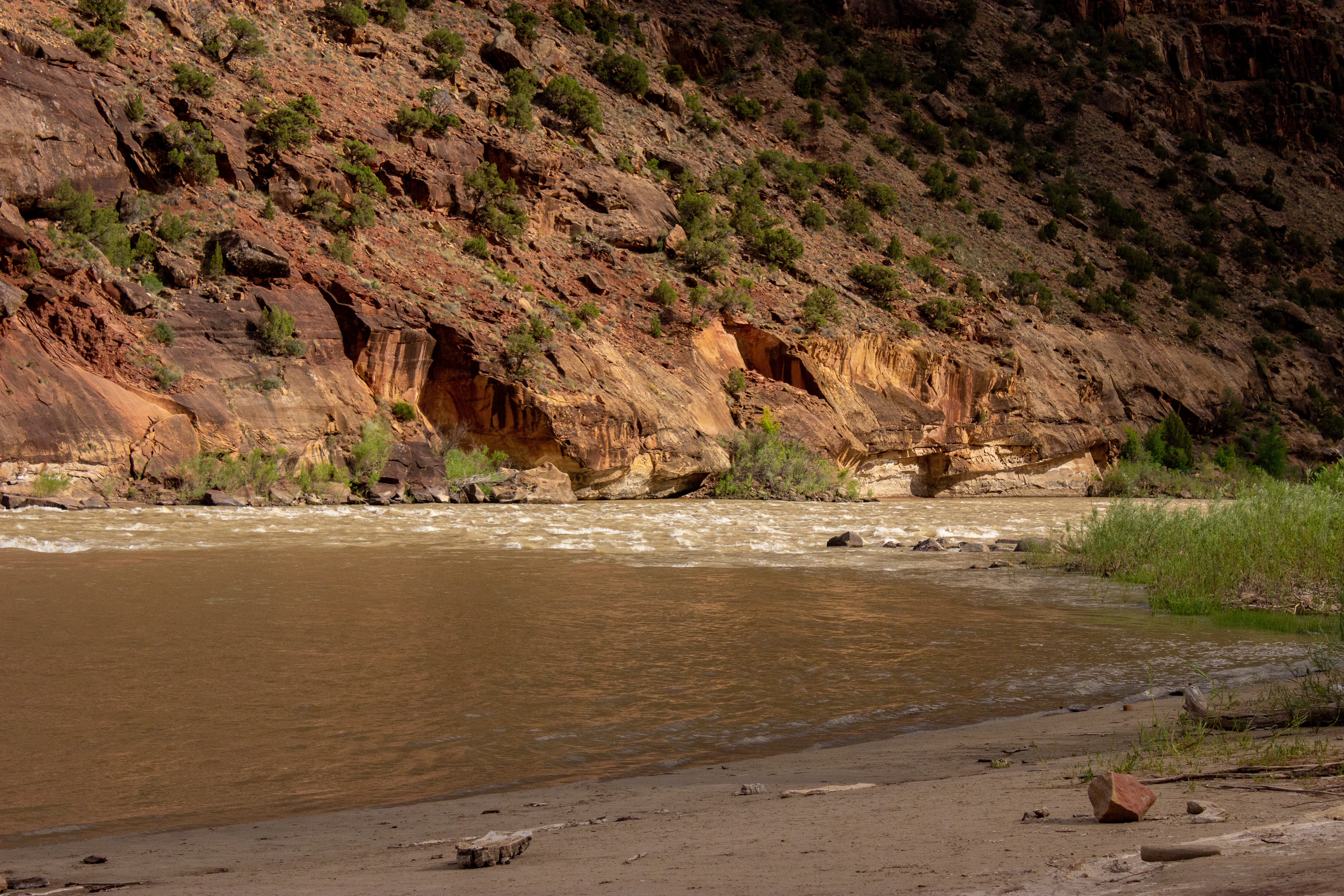
This summer, I am trying to keep pace with the Green River, and find I am living in a surreal time scale. The water released from Flaming Gorge Dam tomorrow will meet me at the confluence of the Green and Colorado Rivers next week. Between those dates, the news is racing ahead of the river, but decision-making is lagging far behind.
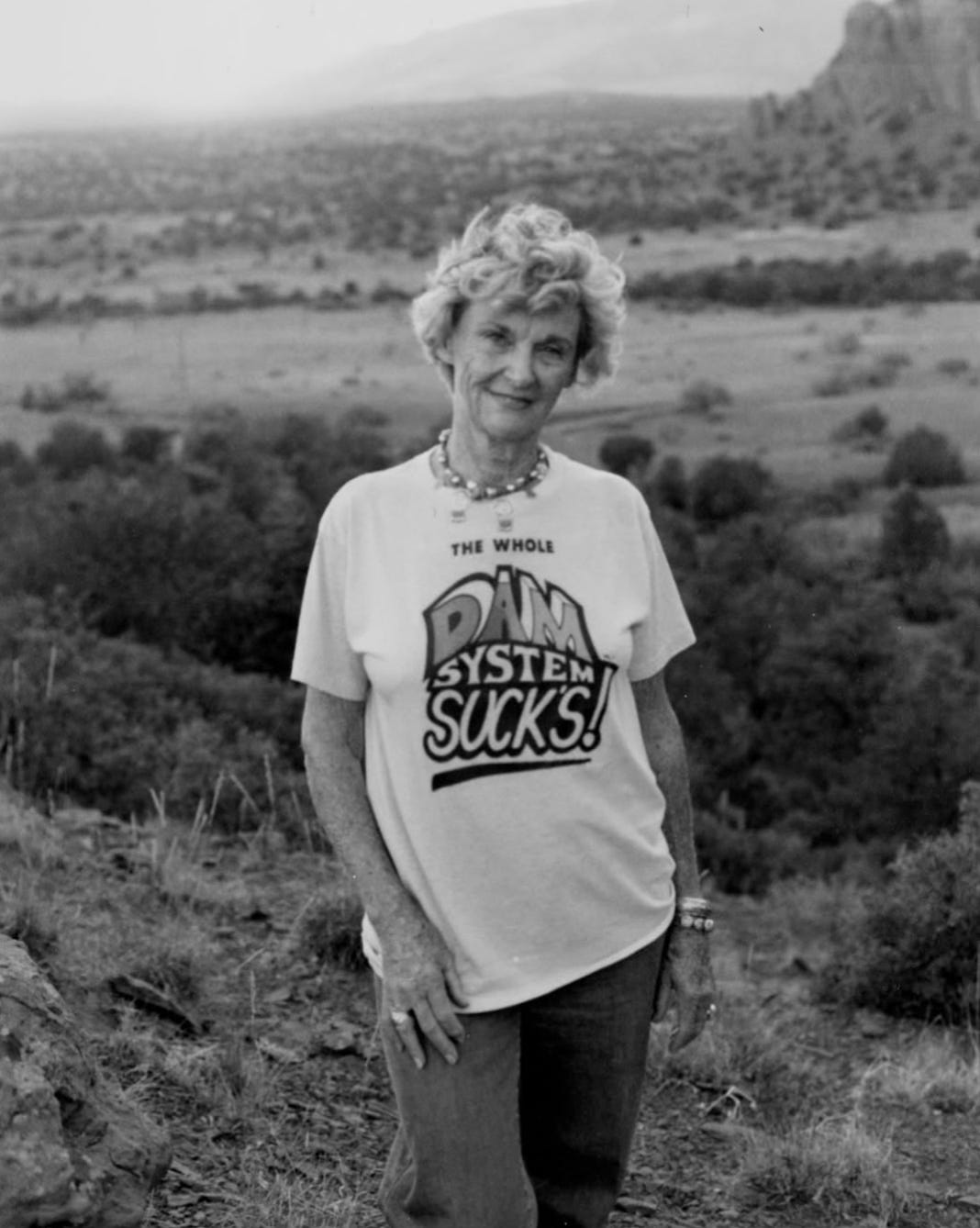
I am encouraged that mainstream news outlets are reeling in the realities about Glen Canyon Dam’s limitations. This is because it’s no longer a fringe eco-fantasy strung between Edward Abbey and Katie Lee’s words and the recent books by Zak Podmore, Jonathan Thompson, and myself. Lower Basin states are calling for Reclamation to “address long-term operational and structural risks at Glen Canyon Dam in order to increase the ability to deliver water at lower elevations” by the end of 2027.
Glen Canyon Institute (GCI) shared in their newsletter that, “The Bureau of Reclamation has indicated that it will release an appraisal study of Glen Canyon modifications by the end of 2026, but further information about those plans has been scarce.” There is still a lot of time for things to get worse between the end of 2026 and 2027.
A new study4 released during the “Conference on the Colorado River” opens:
If the Colorado River Basin (Basin) experiences another dry year, similar to Water Year 2025, it is likely that reasonably accessible storage in Lake Powell and Lake Mead would be mostly depleted, even if consumptive uses and losses are at or near historic lows. Run-of-the-river operations would shortly ensue. This would be an outcome with devastating consequences.
The report goes on to explain that even a wet winter like 2023 would only provide two years of cushion. Until the seven states and the federal government get their shit together, Flaming Gorge is holding up the system.
From June 8 to 11th Reclamation will ramp up releases from Flaming Gorge Reservoir to 4,600 cubic feet per second. This is to mimic late spring floods to support endangered razorback sucker spawning. As Ellen Meloy quipped in Raven’s Exile, the dam is becoming an environmentalist. The benevolence is not helping Powell Reservoir so much. The Flaming Gorge water and restrained releases from Glen Canyon Dam have only boosted the reservoir by two feet. It is likely we will set new record reservoir lows this year, and with it welcome the return to oxygen for more of Glen Canyon.
This will absolutely be an evening discussion during the upcoming GCI membership trip in Cataract Canyon.5 And we will be floating on the latest Flaming Gorge bumps!
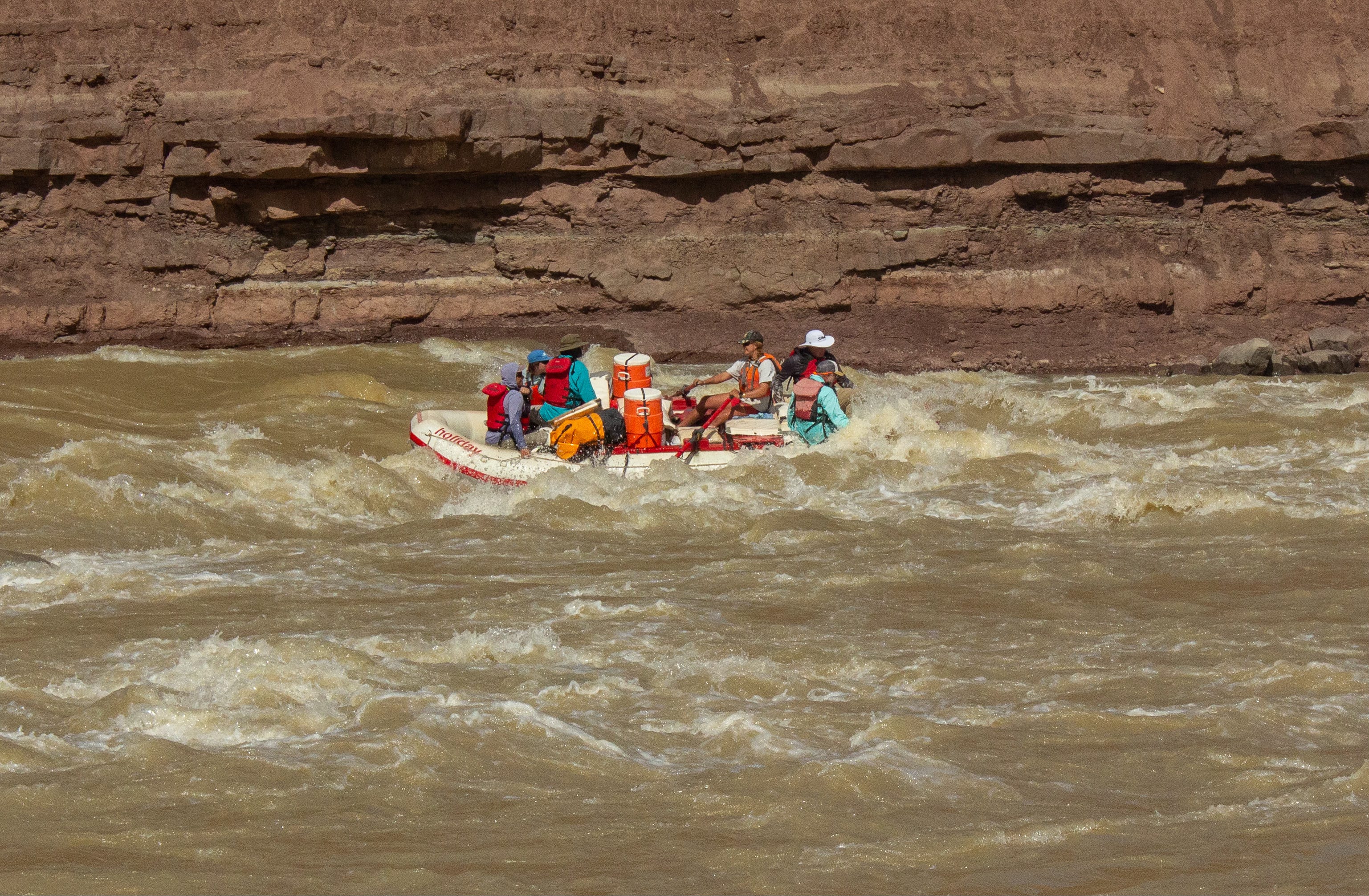
Thank you, Holiday River Expeditions, for the support. Your trips embody the spirit of community, awareness, and respect that the river needs from all of us. Holiday is a family-run river outfitter celebrating its 60th anniversary. They run trips all over the upper basin. The guides are incredibly kind and knowledgeable. The food is fresh and delicious. And there is a dreamy river library for guests.


Journalist and author Heather Hansmen wrote a great exposé about just how impossible it is to get a lottery river permit for Re:Public - https://www.republic.land/wreck-dot-gov/
I refuse to abbreviate such a soulful name to “Deso.”
There were no ravens for anyone curious!
Authors: June 1, 2026
Anne Castle,1 Jack Schmidt,2 Eric Kuhn,3 Kathryn Sorensen,4 Katherine Tara5
I know I sound like a used car salesman for this trip, but there are a few spots left because of last-minute cancellations. Life happens. If you find yourself with five free days, here are the details: https://glencanyon.org/product/2026-member-trip-holiday/. Plus you’ll get to experience the “Holiday way” of river travel.
No ravens!? How about GBHs? I highly recommend the Holiday Way. I did this Cataract trip with them last year and had a blast. The whole outfit blew me away with their service, knowledge, work ethic, and fun! Huge group almost 30 total I think so I'm glad I batched up enough 'Returning Rapids Old-Fashioned' to share with everyone who wanted some.
A river trip would be a dream, they’re just so “dam” expensive 😩