
You Can Hide On the River
But Colorado River News Will Still Find You

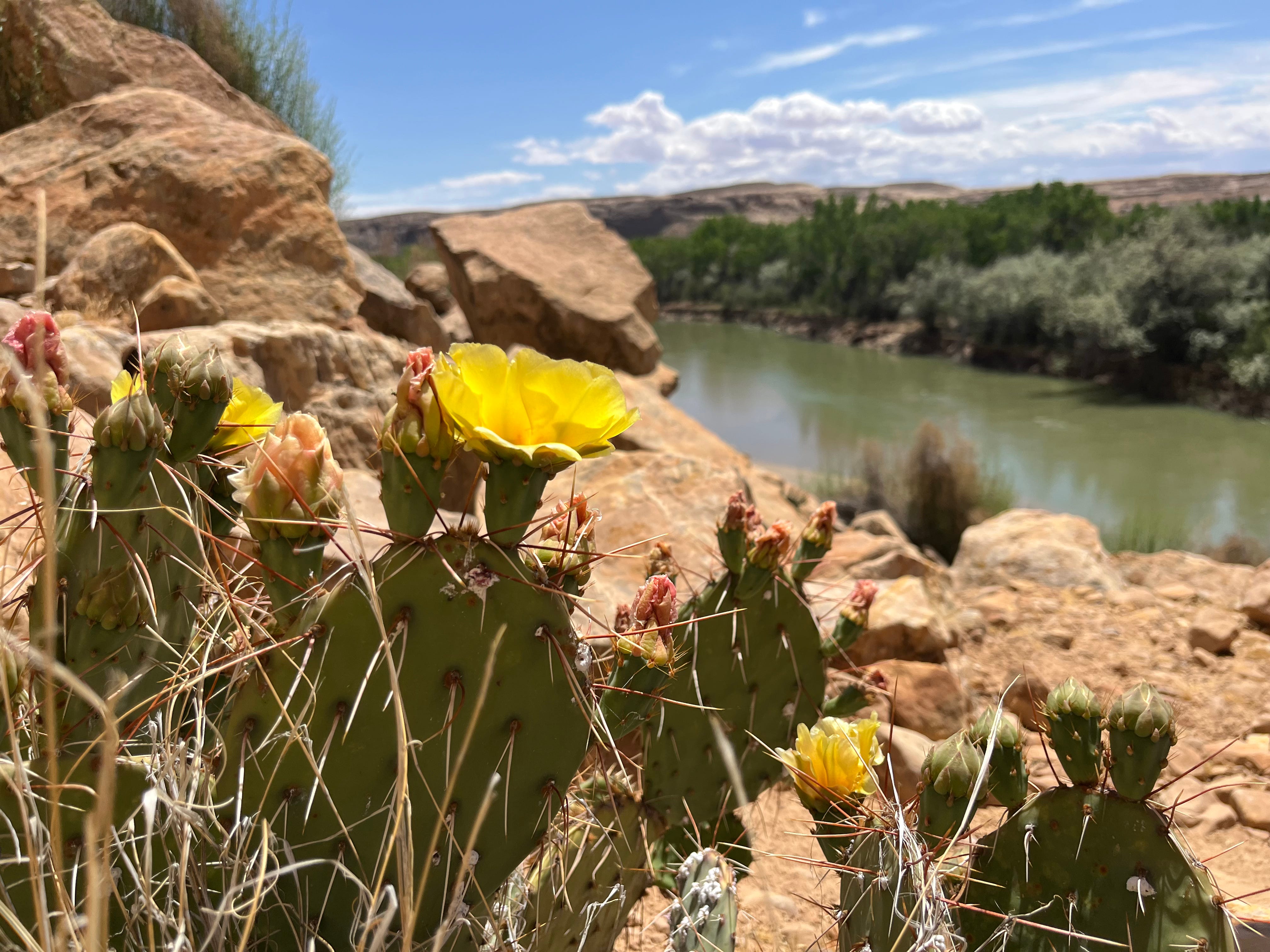
It is now an expectation that when I return from the river, something aspect of river management will have changed. By return, I mean weekly paddling and walking any of the Colorado River’s upper basin tributaries, and heading home to my home river. That rate of fluctuation, personal and otherwise, speaks to how fluid keeping up with the state of the watershed is.
With natural runoff conditions all but flushed by the March scorcher, the Bureau of Reclamation is busy pulling at the levers of a 15-dam Colorado River circus. Take this past week, in which I ditched my phone for 24 hours on the Upper San Juan River. Upon returning to Bluff, Utah, I gleaned that Flaming Gorge reservoir releases on the Green River would surge to 8,600 cfs.
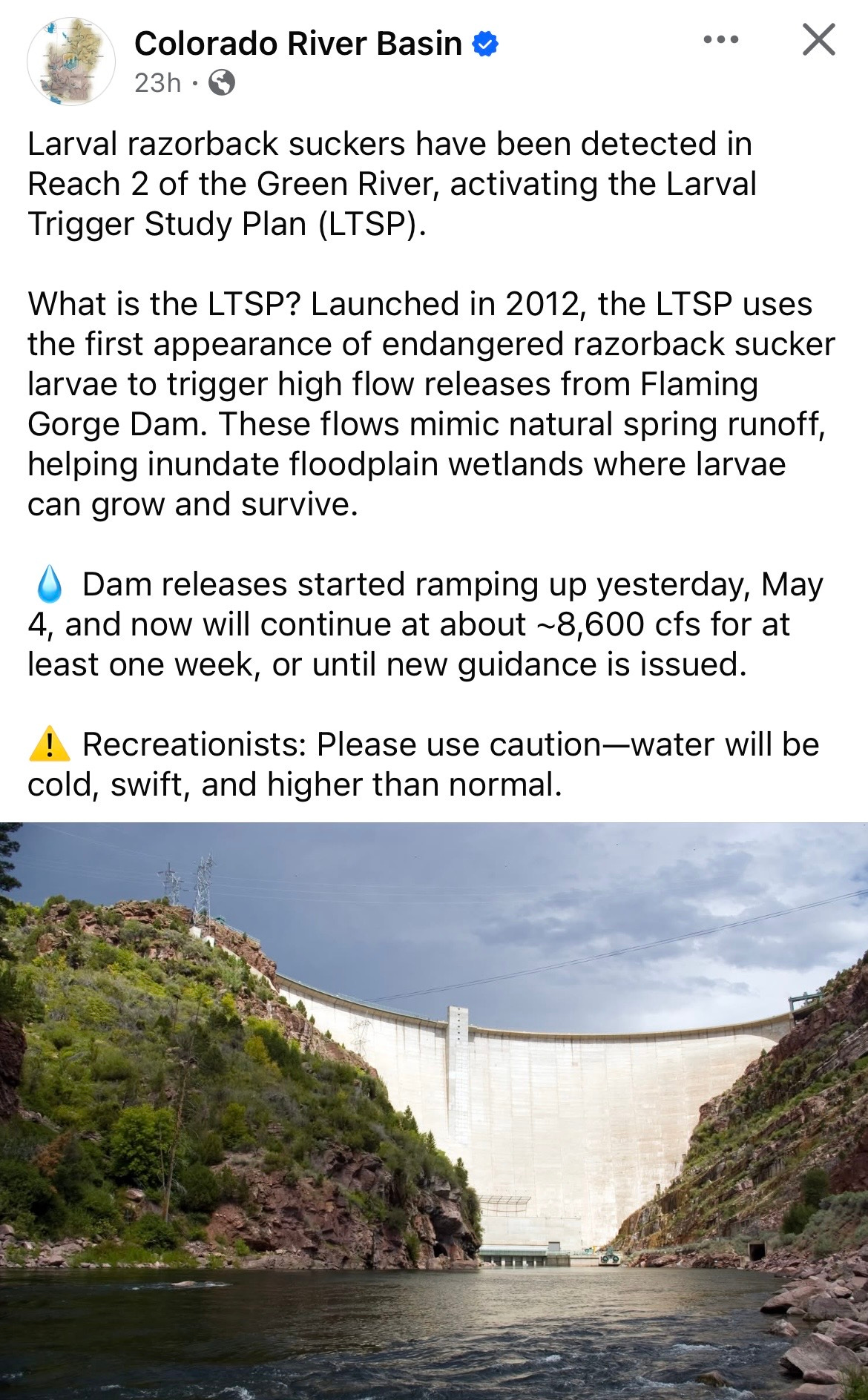
This is a notable addition to the ~2,000 cfs releases that began last month to prop up Powell Reservoir. While those are truly patches for the ongoing management dysfunction, the latest big water releases are to support endangered razorback sucker larvae. By mimicking high spring runoff flows, the river will inundate wetlands and help disperse the suckers for the ideal survival conditions. 1
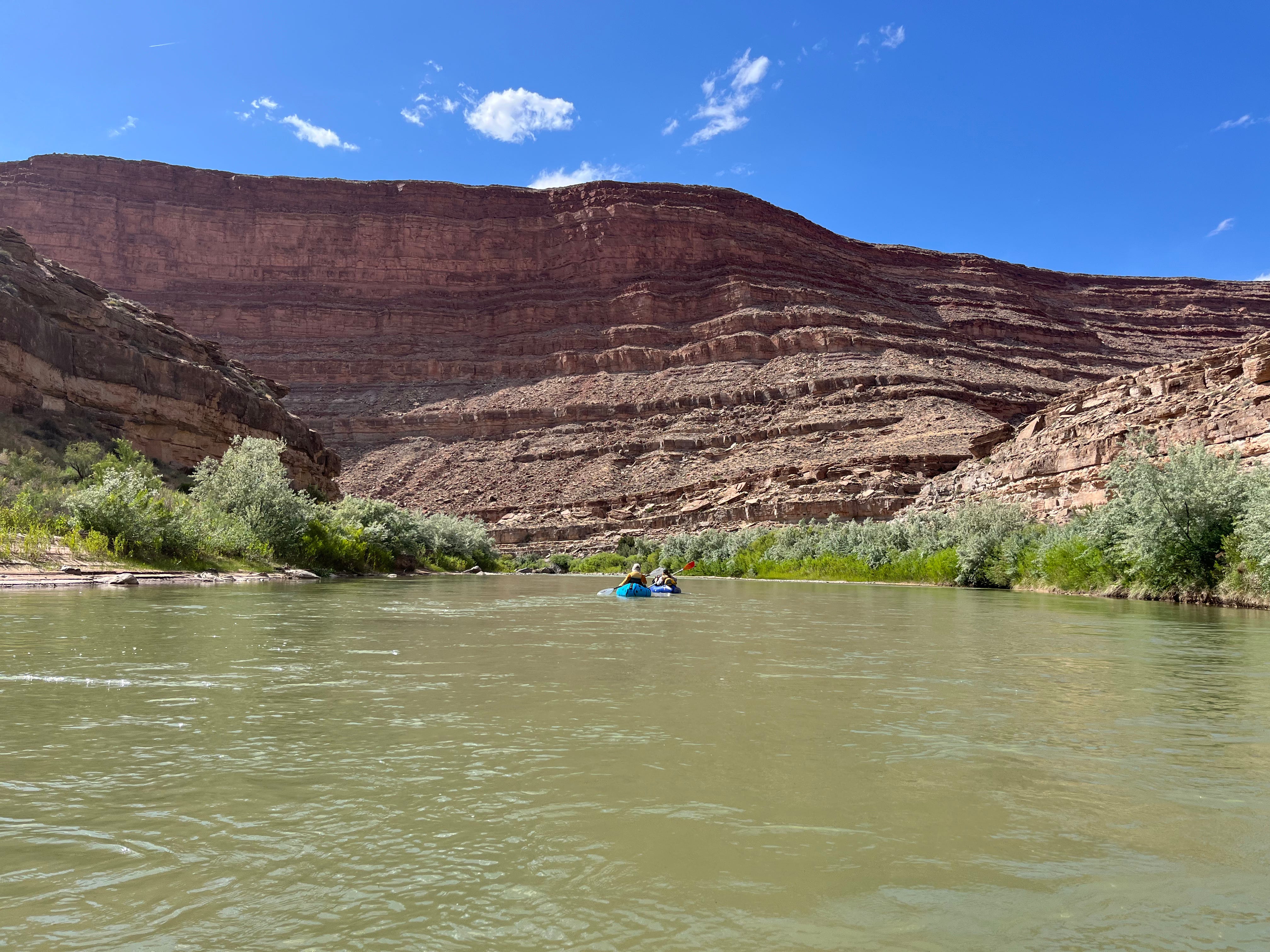
A lot can happen overnight on the river. Especially when the flows are extremely low––under 500 cfs on the San Juan. We were just fine in packrafts, but I wonder if the rafts we passed are still out there? For such a short trip, my two friends and I overconfidently decided to forgo creature comforts, like tents. One Modelo each would be our treat. We rolled one backpacking meal into 3 tortillas for dinner.
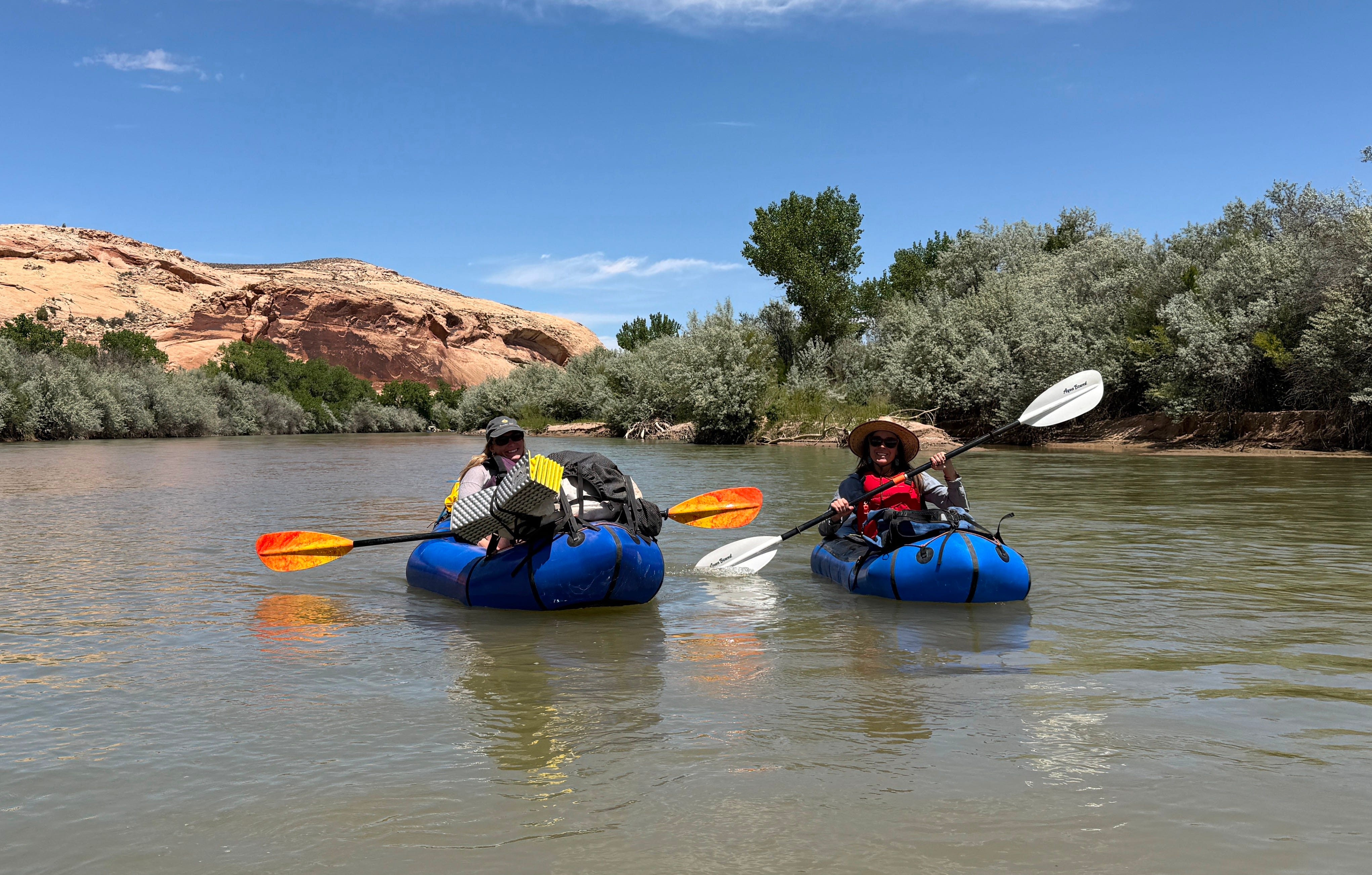
Within 30 minutes of falling asleep on the beach, the tapping of raindrops woke us. The three of us huddled up in a small pod, much like how I imagine otters weather storms, beneath a small limestone ledge. We fell asleep in our raingear with sleeping pads on top of us for added coverage. Adding to the excitement, a nasty bout of food poisoning seized the inner workings of one friend’s digestive tract.
During that same short stormy period, lower Colorado River Basin states offered up a short-term deal to conserve up to 3.2 million acre-feet of water through 2028. This builds upon their earlier proposal to coordinate with Mexico for annual reductions of 1.5 million acre-feet. It will include “a new expanded effort to implement additional Lower Basin conservation of at least 700,000 acre-feet of conserved water (and a target of 1 million acre-feet) as well as a Tribal Pool.”
The proposal would be in addition to the upper basin flow regime changes to keep Powell Reservoir from sinking below 3,500 feet, the threshold for viable downstream releases. The lower basin cuts will help protect infrastructure at Mead Reservoir from the same low water fate. Notable hydropower losses begin when water drops to 1,050 feet, and it is already at 1,055. Lower basin states also requested that any surplus water in Powell be sent to Mead. How the water use will be cut is not yet clear, but past conservation has included paying farmers to fallow fields and leaning on groundwater and other sources for municipal water (which has its own environmental issues).
In an interview with KUER, Upper Colorado River Commissioner Chuck Cullum calls the cuts insufficient and stated that the plan will only perpetuate a “crisis cycle.” What is truly needed going forward is an agreement between all seven states to reckon with a shrinking Colorado River. Shivaji Deshmukh, general manager of the Metropolitan Water District of Southern California (MWD), had this to say:
“We recognize the significant challenges the Upper Basin states are facing this year, but also believe they can ramp up programs to support the river when conditions improve. For this short-term plan, the reductions Southern California is taking are significant, but we can find a way to manage them. What is not manageable is continued uncertainty with this water supply, which is the foundation of water reliability throughout the Basin. We must recognize that the river is changing, and the only way we can ensure the communities, businesses and ecosystems across the Southwest have the water they need in the decades to come is by all seven states working together.”
While sentiment is no substitute for a plan, both Cullum and Deshmukh (combined) nail the reality of the situation. A long-term overhaul of Colorado River management and infrastructure is needed to live within the realities of a drying river through (seven states) working together.
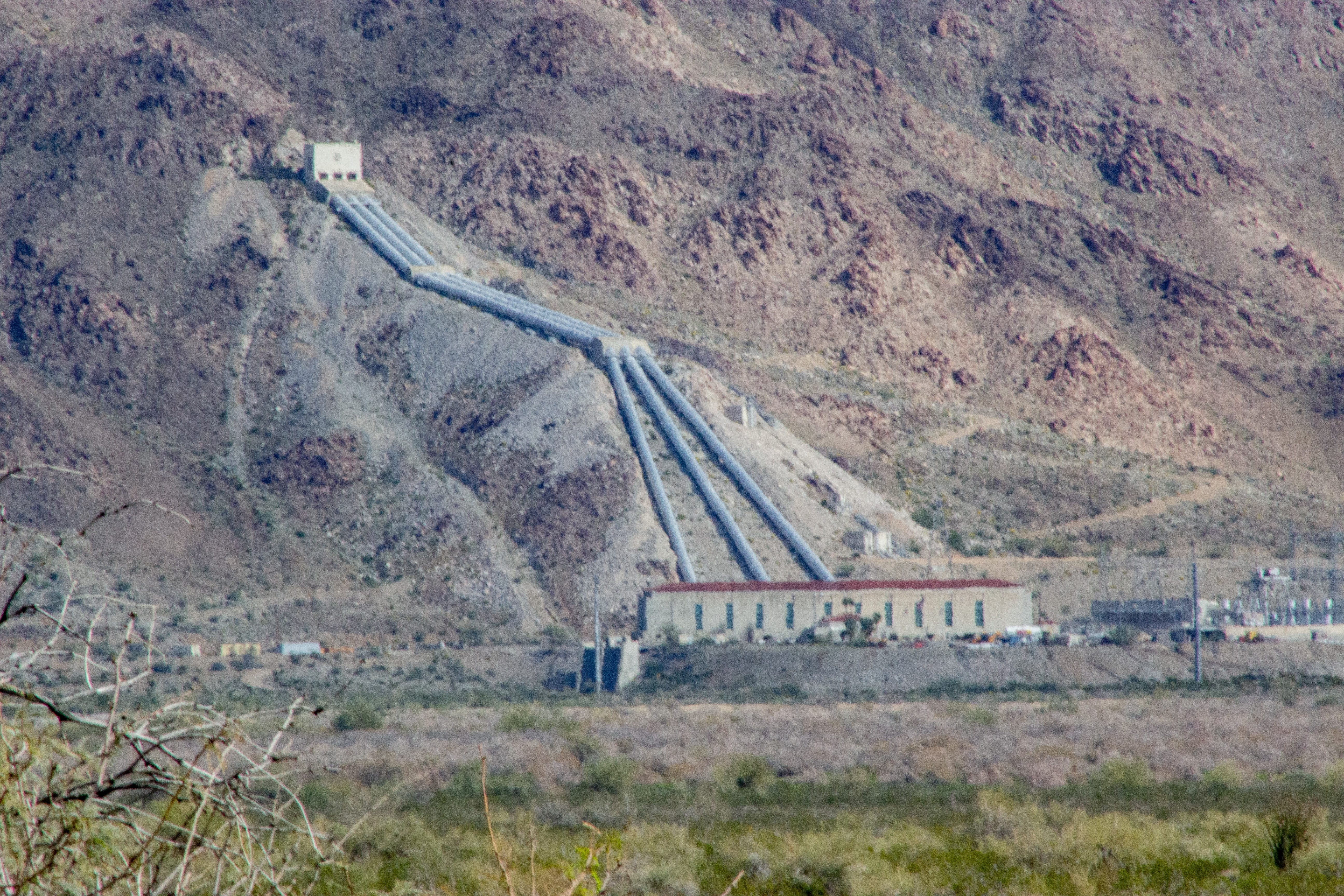
MWD is the largest municipal provider of Colorado River water and has been pumping the river, via the Colorado River Aqueduct, since 1941. This is the water I drank from the tap as a child in Riverside, California. (This is my inspiration for Riverside as a book title.) I also have a strange fascination with Julian Hinds Pumping Plant. I remember watching it vanish behind the station wagon windows on family drives through the Mojave on I-10. I thought it was a waterslide, and I remain disappointed to this day that only the river gets to ride it.
With the going rate of river take-out updates, perhaps I should stay out longer. (Coming soon!) That won’t help my perpetual state of disorientation, as if I am living in a swirling eddy. The moment I shove off from shore, I am loath to look at my phone to check the time, and I experience instant day-of-the-week amnesia. This certainly adds to my sense of whiplash when that little metal device tells me things I need to know. Which usually involves talking to Colorado River experts, submitting a story on deadline, or calling my Mom to tell her that I am fine, just perpetually out of range.
This is probably why, when Don Snow2 called to tell me I won the 2026 Ellen Meloy Desert Writer’s Award, I sounded a bit confused. It also reminded me that I am writing, not just one, but two books.
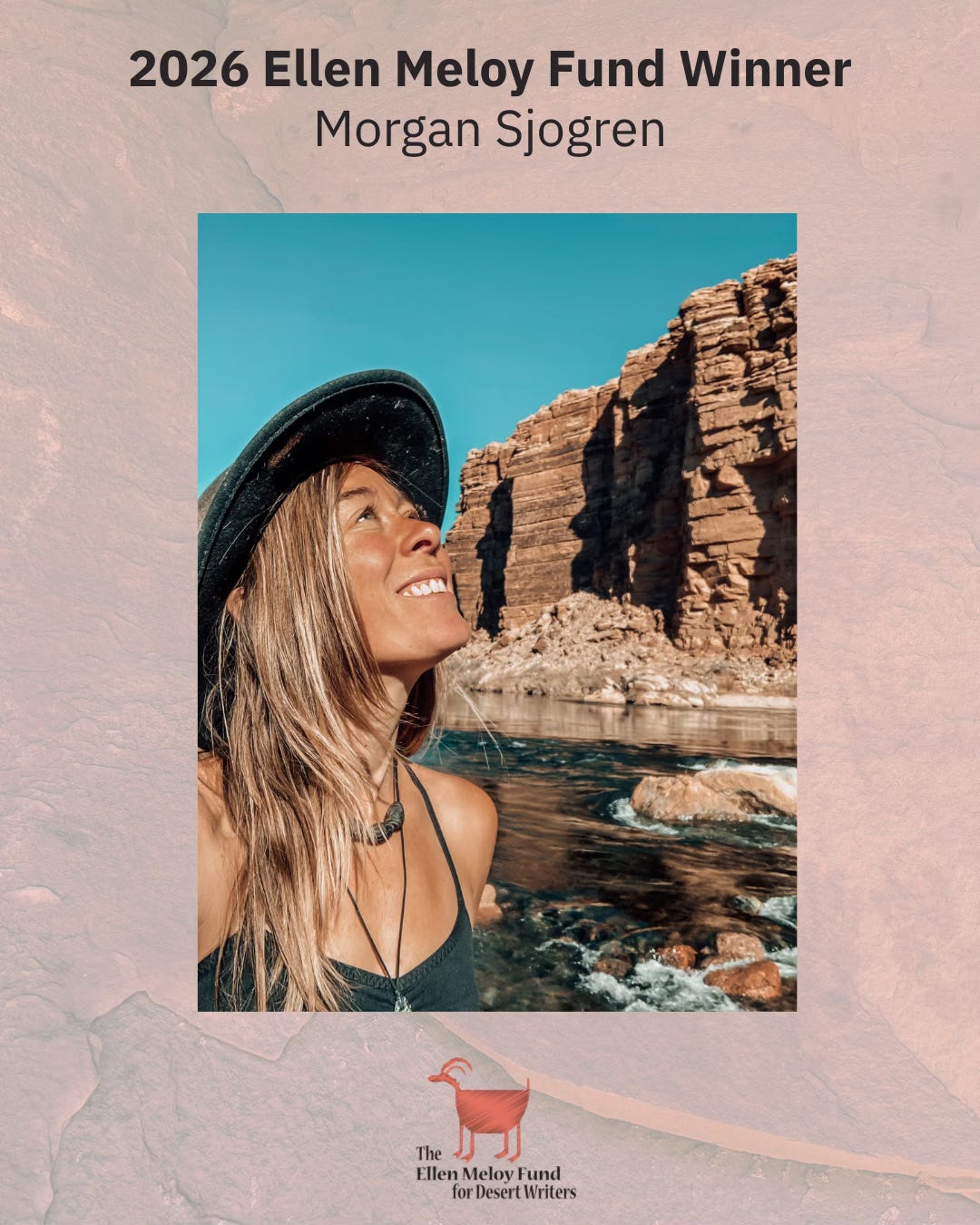
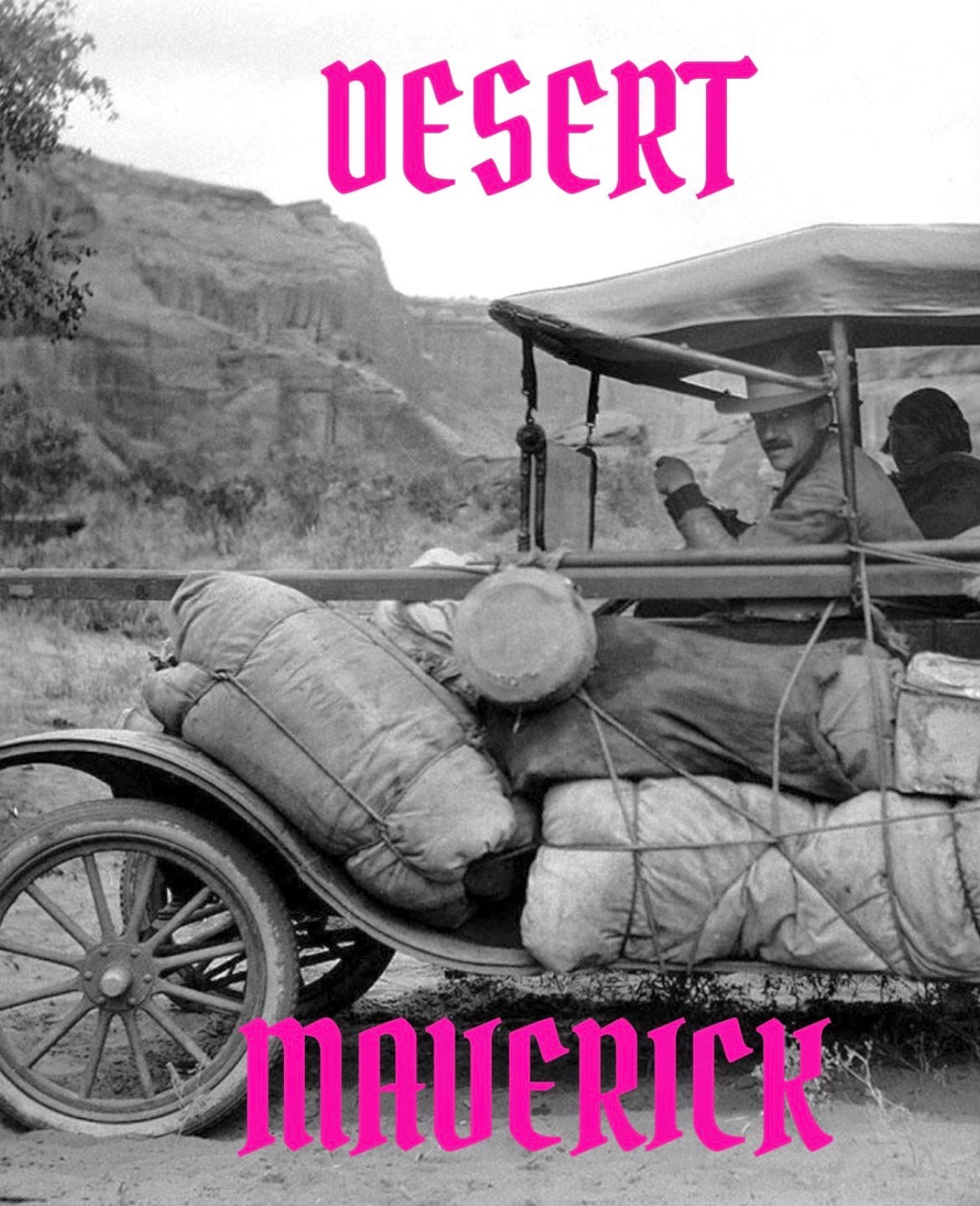
The Ellen Meloy Fund for Desert Writers3 will support research for Desert Maverick, which celebrates the life and career of science pioneer Ann Axtell Morris, who worked alongside her husband, archaeologist Earl Morris, but received little recognition for her contributions. A talented Artist, Ann recorded cultural sites in the Southwest with her paintbrush, developing groundbreaking methods of pictorial documentation while challenging the ethics of archaeological practices through reverence for indigenous peoples. Desert Maverick will be published by Lyons Press in 2028.4
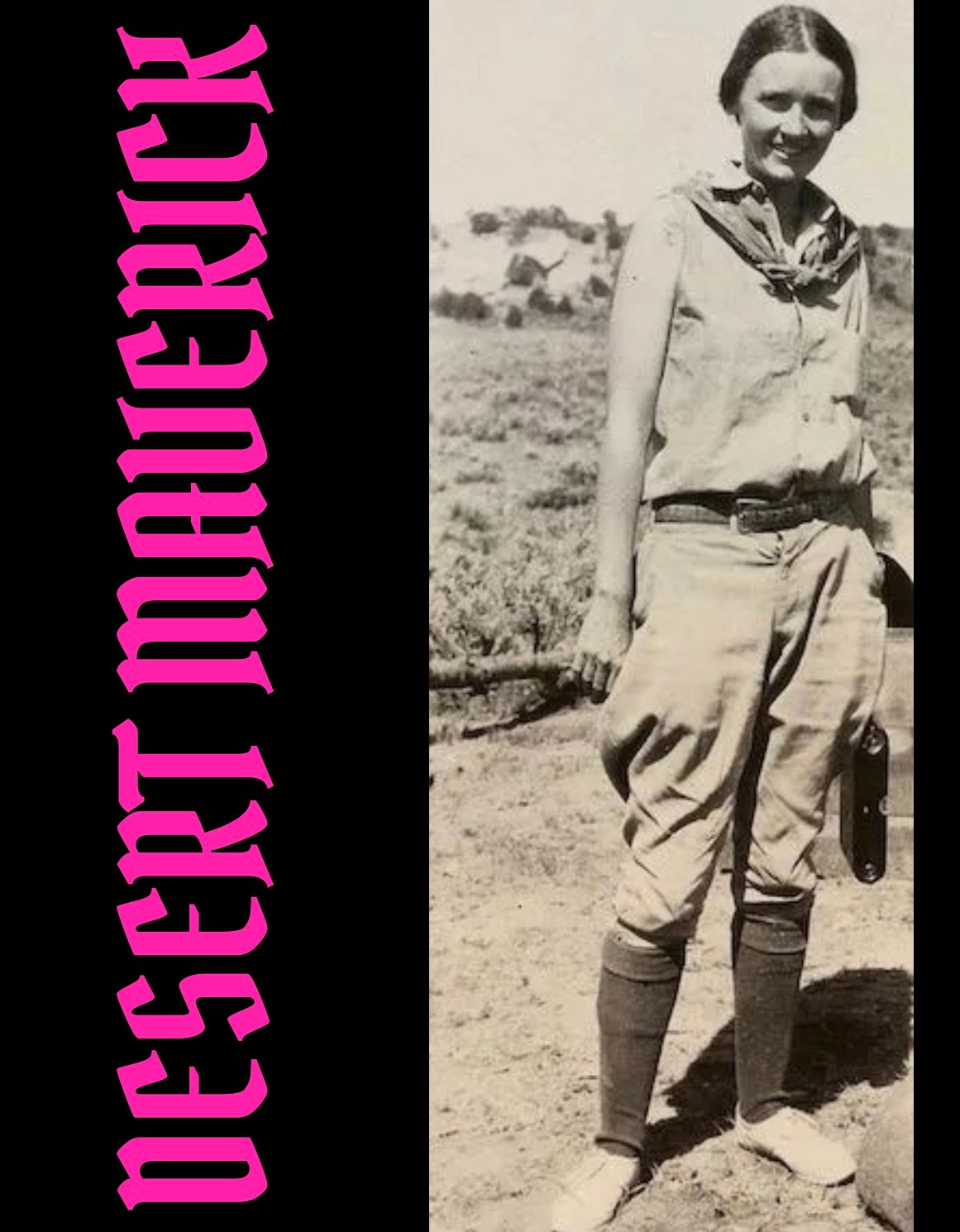
I came across Ann’s story while writing Path of Light. Earl was the permitted archaeologist of the 1920s Bernheimer Expeditions. Ann’s painting caught Bernheimer’s eye, and he commissioned her to paint the cultural sites at Canyon del Muerto for the American Museum of Natural History. It also endeared me that Ann and Earl rarely unpacked their bags as they incessantly traveled nomadically throughout the Four Corners in their Model T Ford.
Each year, the Ellen Meloy Fund supports one desert writer working on a non-fiction book to honor the late author. It is an incredible honor, both to be a part of Ellen Meloy’s legacy and to be given such generous support and to be part of a special desert writing community I first experienced on the page.

During long stretches of desert solitude, I have turned to books for companionship. I profess, dog-eared, water-damaged copies of The Anthropology of Turquoise, Raven’s Exile, The Last Cheater’s Waltz, and Eating Stone frequently bounce along with me in the truck. I have read them all countless times, and at this point, I simply prefer that they are near.
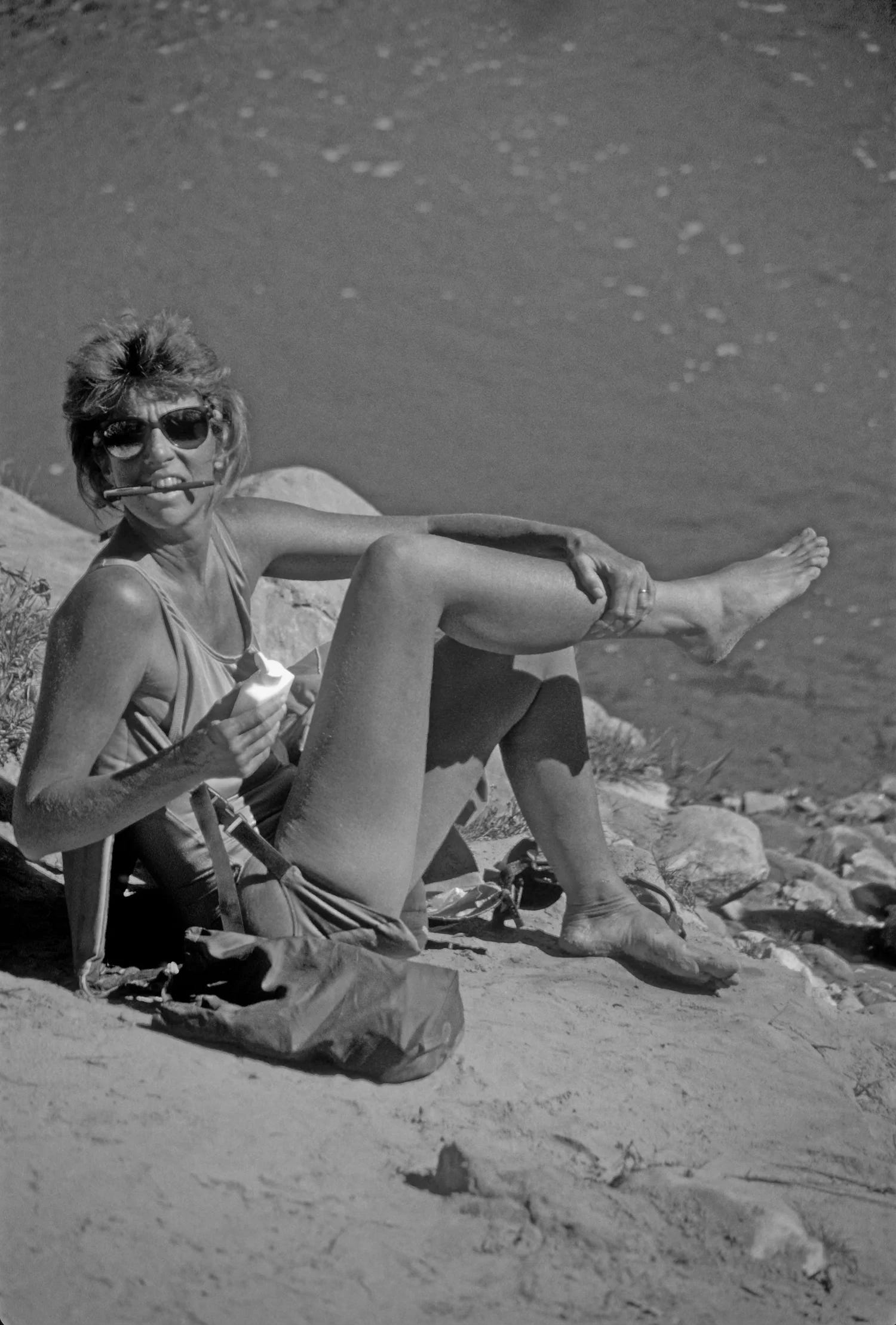
I came to view Ellen Meloy as a desert spirit sister along with archaeologist Ann Axtell Morris. Both Meloy and Morris colorfully documented their love for living in the desert with pen and paintbrush. I cherish our shared understanding that we are part of the desert, not separate. My life’s course is not rational, but this award reminds me to keep going, and to always trust my instincts in the desert––even if that call is to forge ever deeper to listen to the stories of friendly ghosts, including returning rivers.
This is part of the Larval Trigger Study Plan implemented in 2012.
Don Snow is the Ellen Meloy Fund board chair and former environmental literature professor at Whitman College.
If you are working on a non-fiction book with deep connections to the desert I encourage you to apply to the Ellen Meloy Desert Writer’s Award. The application itself pushes you to contemplate your relationship with the desert and how your book will contribute to a deep map of place. Application details here.
There is a Hollywood production about Ann Axtell Morris in the works featuring an AI-generated Val Kilmer. My eyes bulge thinking about it, and I will not comment further, so I will leave this here––I will to celebrate Ann’s life without Hollywoodification and without the use of AI.
Congratulations Morgan, bonus for us two books in the same as one!
Congratulations Morgan!! Look forward to both books.