
2016: On Keeping an Instagram
The art of not forgetting who we are.

Greetings, wild ones! Amid the already blurred sense of time between the holidays into the new year, and whatever day it is today, we’ve suddenly found ourselves in #2016. Typically, I am averse to anything trending, on Instagram or otherwise, but that year was already on my mind. As evidenced by the 2016 posting spree, it is for so many other people as well.
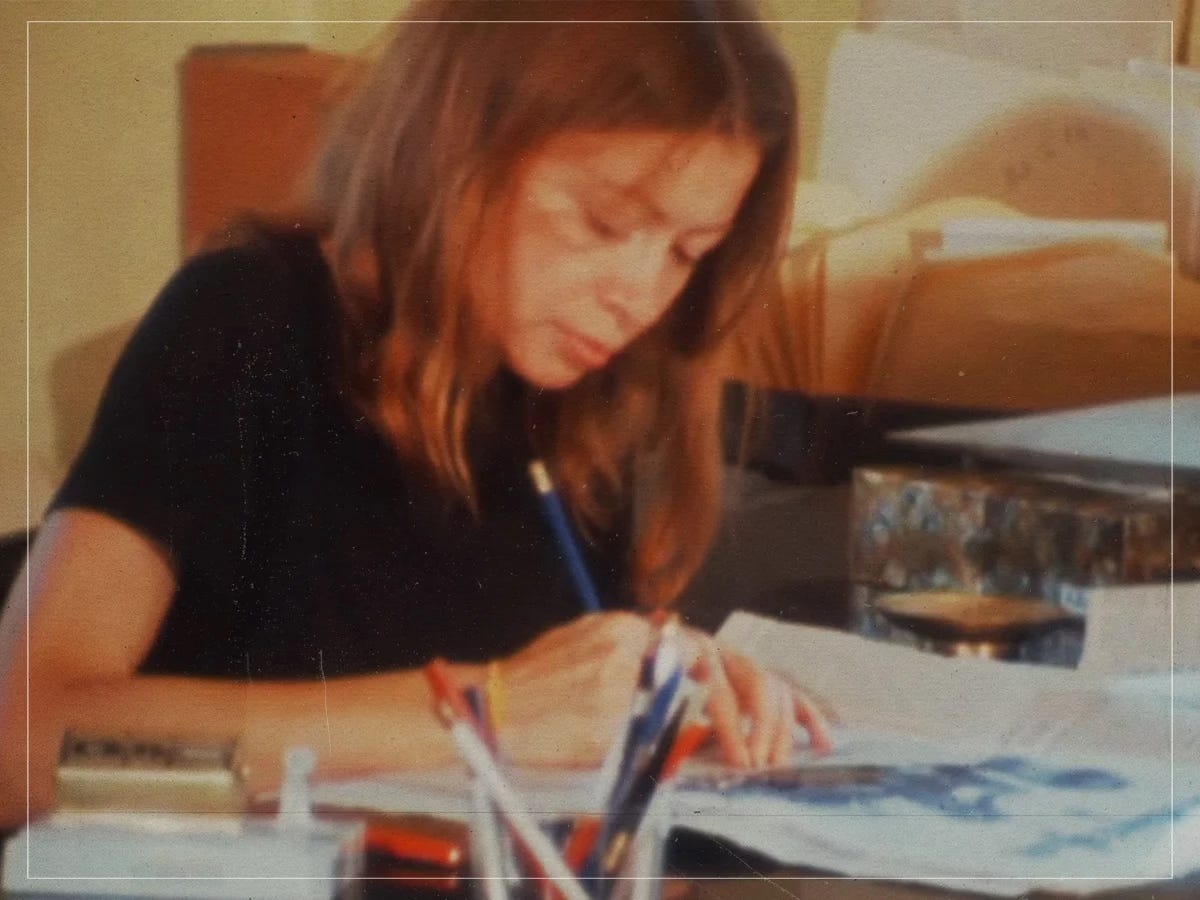
“I have already lost touch with a couple of people I used to be,” wrote Joan Didion in her essay, “On Keeping a Notebook.” Today, many of us, even devoted journalers, keep an Instagram. After a few minutes of tedious backscrolling, 2016 came crashing back on me:


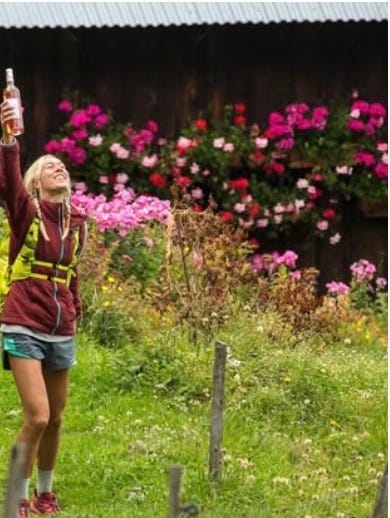
Back then, I lived in a cabin at 8,000 feet in the eastern Sierra, where I trained with an elite running team. I played hard and worked harder, juggling a career as VP for a sports/wellness PR firm. For the first time, I also experienced being truly snowed in as my personal life collapsed. Fun.
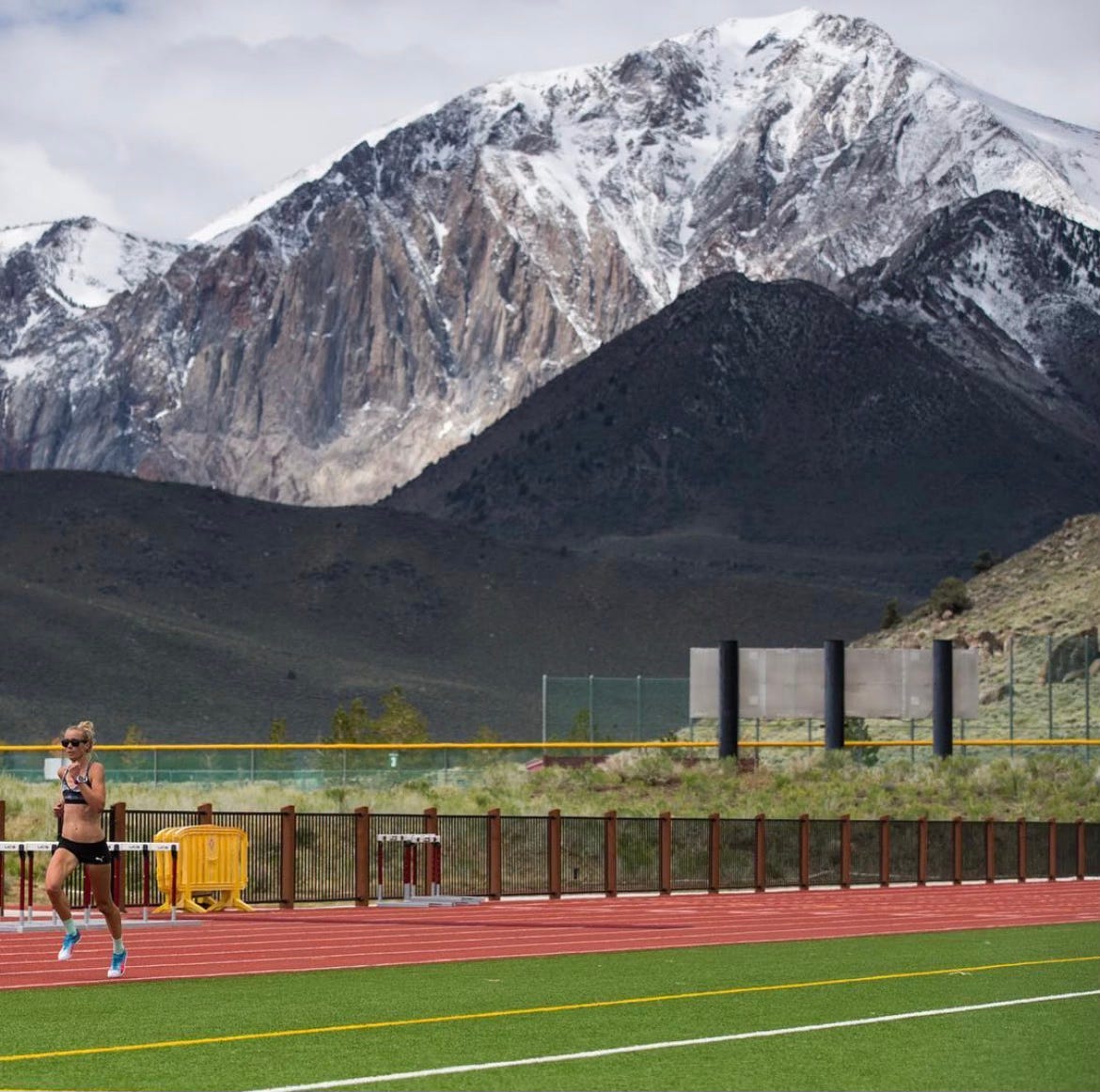
That year, I ran my fastest 5,000 meters on the track, which immediately prompted an existential desire to run away from literally running in circles. My feet carried me deep into the mountains. On a whim, I jumped into the U.S. Trail National Championships Marathon in Moab. I slept in a cave along the course the night before. The result that mattered: 26.2 miles converted me to the cult of slickrock.
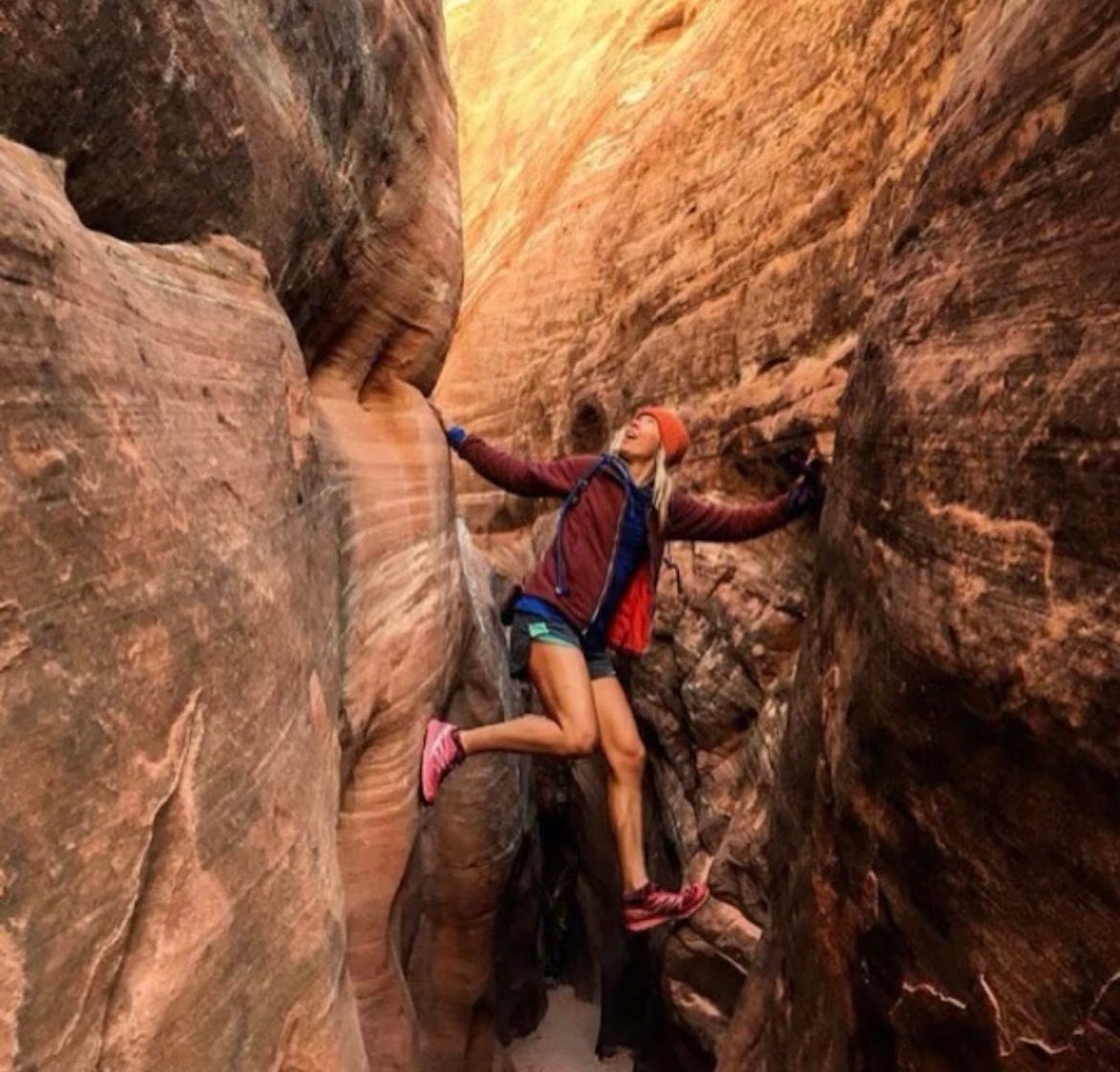
Afterwards, I dragged my feet to leave. Visiting Bears Ears National Monument (on the heels of its designation) and Grand Staircase-Escalante National Monuments filled me with intense wonder. Tucked away in a narrow chasm of Navajo sandstone, the earth sheltered me from cell service and the final tally until I emerged to the news about the 2016 presidential election. Life in this country would never be the same.
Neither would mine. 2016 was the launch pad from the life I used to live to the one I live now. Two months later, in mid-winter, I returned in my Jeep to the canyons, laced up my shoes, and never looked back. Once a runner, always. But despite the finish lines I pursued, it was the mental and philosophical places running pushed me into that propelled my life, and continues to.
To some, the 2016 fad is seen as a millennial longing for a “simpler time” that we documented on the gram. The flashback feels anything but to me. That was the year that my passion for running through wild places collided with a deep sense of care for these landscapes. There is no return from such an awakening. And when you wake up on the ground of places affected–-in my case, the reduced Bears Ears and Grand Staircase-Escalante National Monuments––it is literally impossible to turn away.


The best part of 2016 is where I am now: surrounded by sandstone and flowing water (but no snowpack), and spending my days alongside Aaron, a genuinely wonderful human. Even so, there aren’t any rose (or sandstone) colored glasses to look at 2026 with.
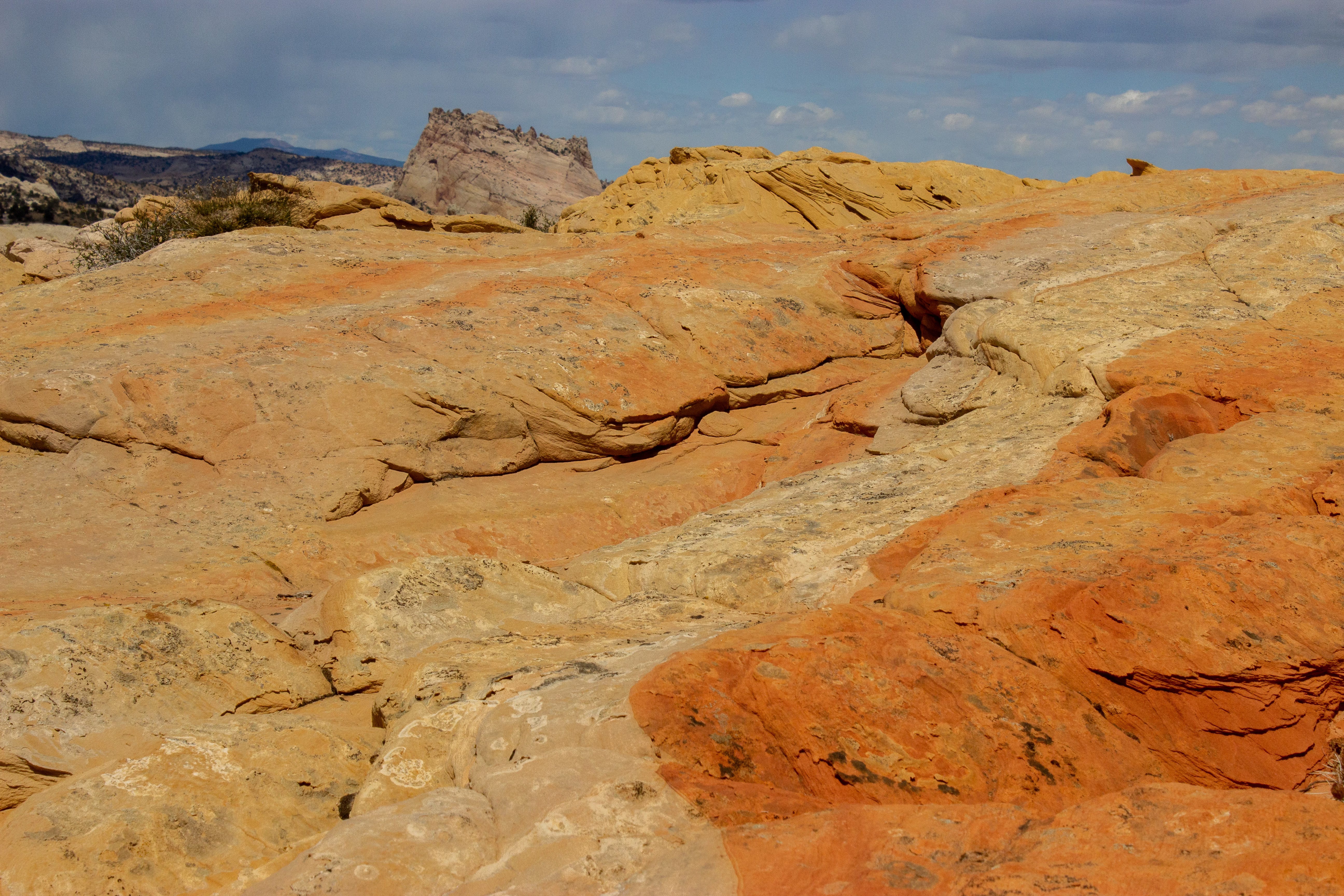
This week, the Utah federal delegates (Senators Lee & Curtis, Representatives Owens, Moore, Maloy, and Kennedy) announced their plan to introduce a bill, any day now, under the Congressional Review Act to overturn the current Resource Management Plan for Grand Staircase-Escalante National Monument. Requiring a simple majority vote, if passed, “the Bureau of Land Management (BLM) will be barred from issuing another plan that is ‘substantially the same’ in the future,” according to the Conservation Lands Foundation’s Press Release.
This is a roundabout effort to not only effectively reduce or rescind Grand Staircase-Escalante National Monument, but potentially all other National Monuments and other public lands protections. How can we forget that these are the same folks who attempted last summer’s public land sale that was opposed by the majority of Americans? That is, 74% of Americans oppose closing public lands, and 72% oppose selling them, according to polls by the League of Conservation Voters.
While the methods are different, this also exacerbates the 2016 nostalgia when Bears Ears National Monument was created at the end of Barack Obama’s term. But that harbinger of hope became the source of conflict the next year when President Trump reduced the monument, along with Grand Staircase-Escalante National Monument (designated in 1996).
While so much of our attention and effort has centered around the restoration, protection, and defense of the monuments (and rightly so), it seems that a sense of innocence and hope are also what so many of us are longing to return to. This, of course, applies to far more happening in this country and around the globe, right now. But beyond scrolling back on an app, we quickly find there is nowhere to go back to.
Last week, my friend, the author Craig Childs, posted on Facebook:
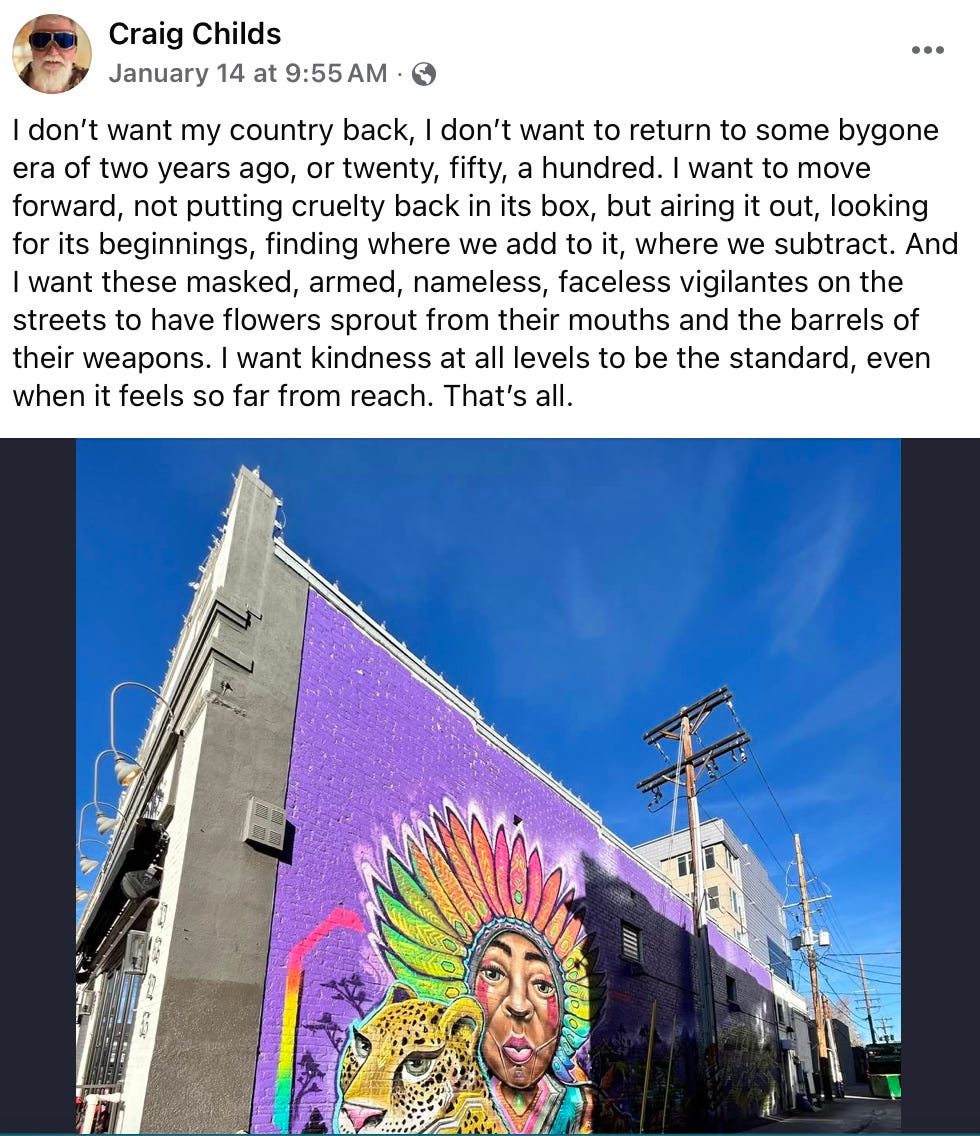
“I don’t want my country back, I don’t want to return to some bygone era of two years ago, or twenty, fifty, a hundred. I want to move forward, not putting cruelty back in its box, but airing it out, looking for its beginnings, finding where we add to it, where we subtract. And I want these masked, armed, nameless, faceless vigilantes on the streets to have flowers sprout from their mouths and the barrels of their weapons. I want kindness at all levels to be the standard, even when it feels so far from reach. That’s all.”––Craig Childs
I feel the same way about this country and my life. Photos from 2016 heighten this. For years after seismic personal shifts beginning in 2016, I mourned the woman I no longer seemed to be––somewhat innocent with an intense optimism of the future and a genuine trust in most people. The desert scoured any self-pity pretty swiftly as I tried not to get lost and stay alive while living alone out of my Jeep and tent. A decade later, I can see all of those qualities I have grieved are still within me, along with some well-honed skills of discernment, street smarts (or desert smarts), and resilience.1
Like any credible historian, it is wise to consider multiple sources when reflecting upon the past, even our own.2 The historical record is informed by a collision of archived documents (written manuscripts, photographs, journals), public-facing documentation like newspapers, and oral history. It is also comprised of voices silenced, ignored, or overlooked, and secrets kept. Where our personal diaries keep record of our private and internal lives, what we choose to share with the world via Instagram is perhaps a distillation of the best moments, or the way we hoped others might perceive or remember our best moments.
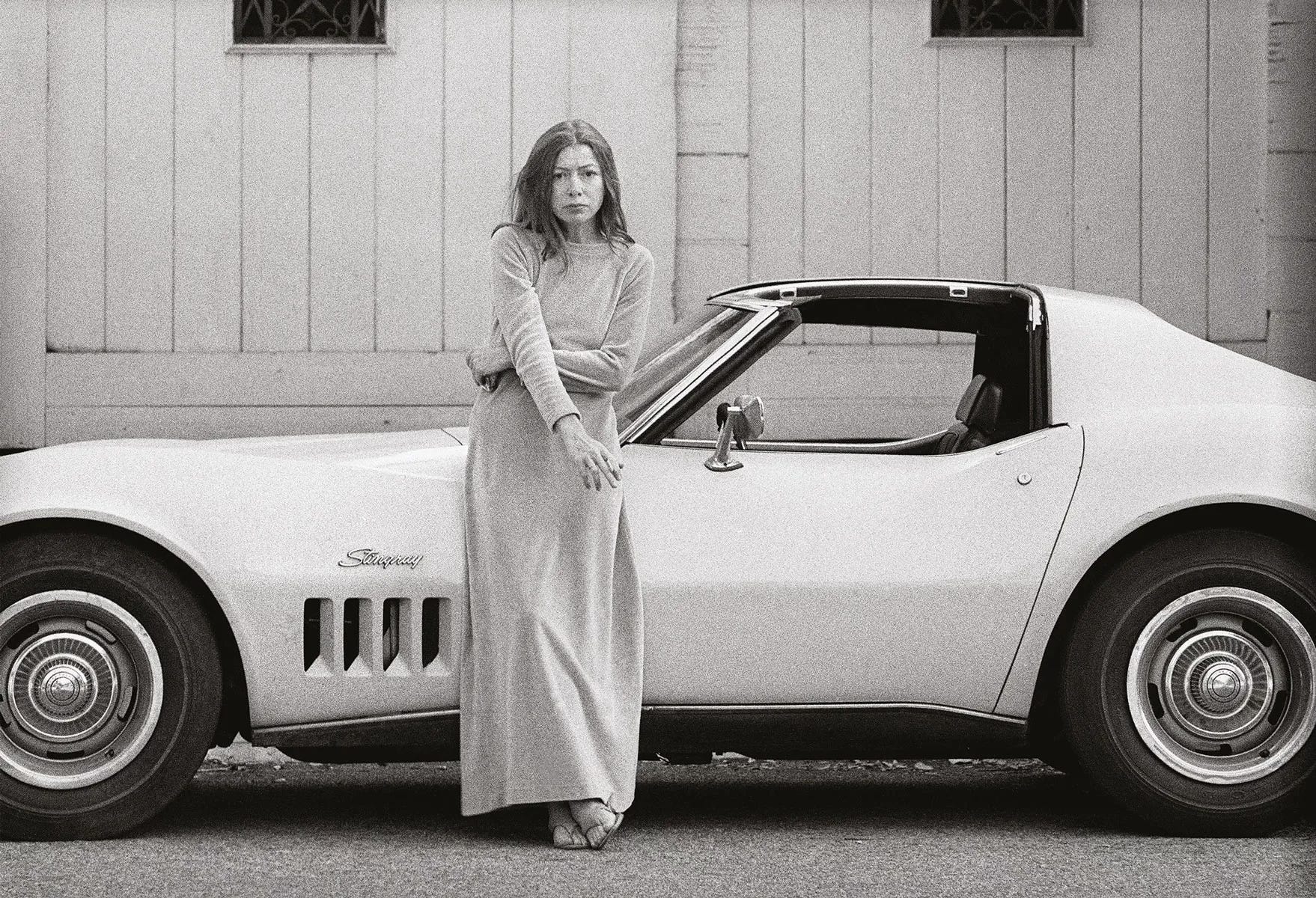
Didion’s essay continues, “Why did I write it down? In order to remember, of course, but exactly what was it I wanted to remember?” Instagram is a reflection of not just what we remember, but what we want other people to remember us by. And if we choose to participate in “the gram” (as we called it in 2016), it is yet another way to do as Didion urged, “I think we are well advised to keep on nodding terms with the people we used to be, whether we find them attractive company or not.”
History keeps the past alive for context in the present. When the burden of today’s news grows too heavy, I turn to various, often cumbersome, history books. There, I see that yes, life was also very fucked up in the past. What a relief for this moment to not be the only bad one. Somehow, I find solidarity, community, and even stress relief in studying and writing about the past. Within the pages of history, I am not disassociated from the present; rather, I am reminded that amid the many disasters and injustices, how much goodness, beauty, love, liberty, and justice are alight in the darkness. Instagram, flawed as it may be, is a visual reminder of the same juxtapositions flowing through our own lives.
A few notes:
If you are outraged about what is happening in Grand Staircase-Escalante National Monument, call your members of Congress! If you live in Utah, make sure you are registered to vote this fall.
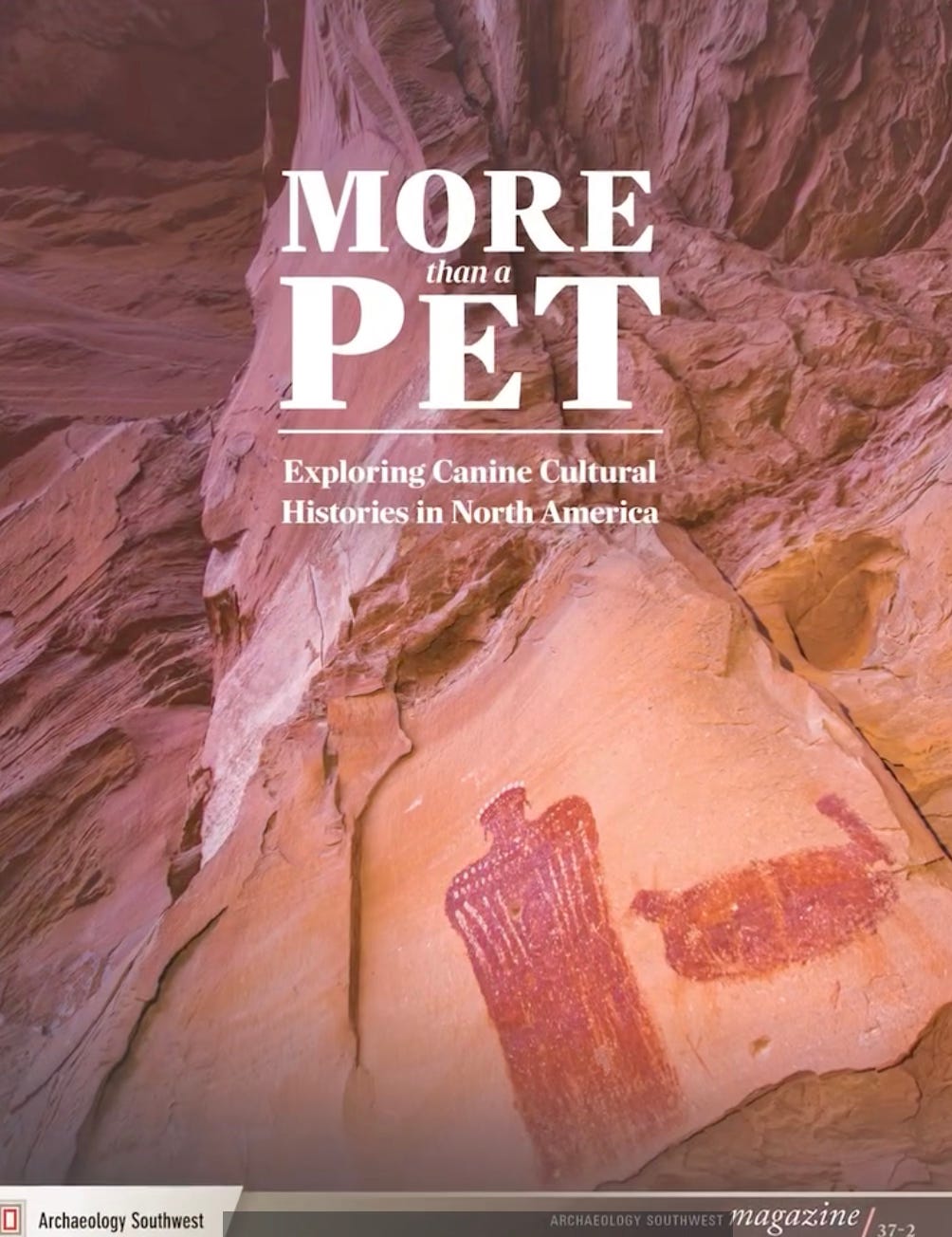
My tendency toward nostalgia was pushed further when my friend, author and archaeologist R.E. Burrillo, mentioned contributing to a “dog issue” he was editing for Archaeology Southwest’s magazine. I loved the idea. But it also felt too soon after my best exploring companion, Phil had passed.🤎🐾 Writing about Southwest explorers and their dogs became an unexpected way to celebrate just how much canines influence how humans move through the desert and our memories. “More Than a Pet” will be out soon, and it’s gorgeous. Featuring photos by poet and artist Jonathan Bailey, alongside the editorial eye of Burrillo and Kate Sarther for stories by an incredible contributor lineup. You can order the issue here.
Paid subscribers still receive a FREE copy of Path of Light. If you’ve already read it, I can send you one of my other books. This support truly keeps me writing, especially in pursuit of new books. As a result, I have some exciting news to share very soon. Wild Words subscribers will be the first to know. While I will always keep my posts public, I am considering sending some letters to paid subscribers with fun stories and early announcements.
Cilff hanger: You can read all about this in Path of Light and Outlandish.
And by that, I also mean we cannot only trust ourselves. My sister and I have a wild time piecing together our vastly different memories of the same childhood events.
Love the writing. Love the wild. Thanks for keeping awareness of place alive, Morgan!
How to divest from meta? There's no denying it feeds the monster. I'm off it, how to spark a greater exodus?
I miss the past. Plain and simple. I fully agree with Craig Childs; I also believe in moving forward. Sometimes it’s hard to see a path forward, however… I find it extra difficult when age quits politely knocking to slamming the door down like ICE, and debilitating issues scream for undivided attention. The selective memories we’ve unconsciously chosen to keep reveal a lived but maybe not so accurate past. Documenting is good; but some of us have chosen to never use certain social medias owned by rich white dudes, thus have missed what the younger ones remember. My documents are now crumbling from age as paper dog-ears and disintegrates! Aye, yi, yi! Time to let the past disintegrate as well…