
Footnotes
Looking at the ground to stay on our feet.

The sun is blinding, the future is impossible to predict. The to-do list is growing. My eyes are tired of the screen. I am riddled with anxiety from…everything. What to do?
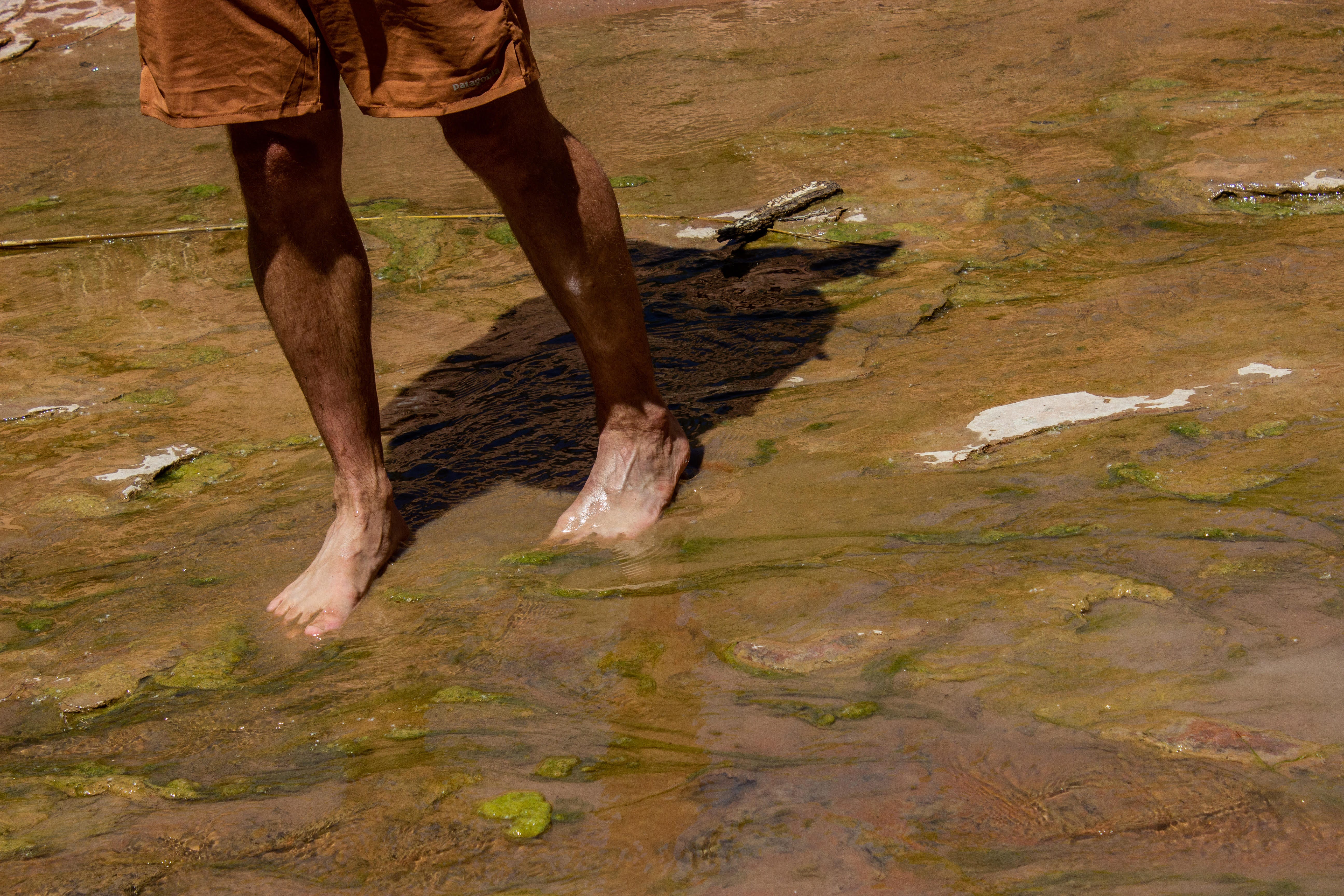
Today I vow to start at the bottom. My eyes are fixed on the imprint of great blue heron talons pressed into cool mud. Yes, the horizon lines of the desert are striking, but the most exhilarating details are in the sand, stone, and water.
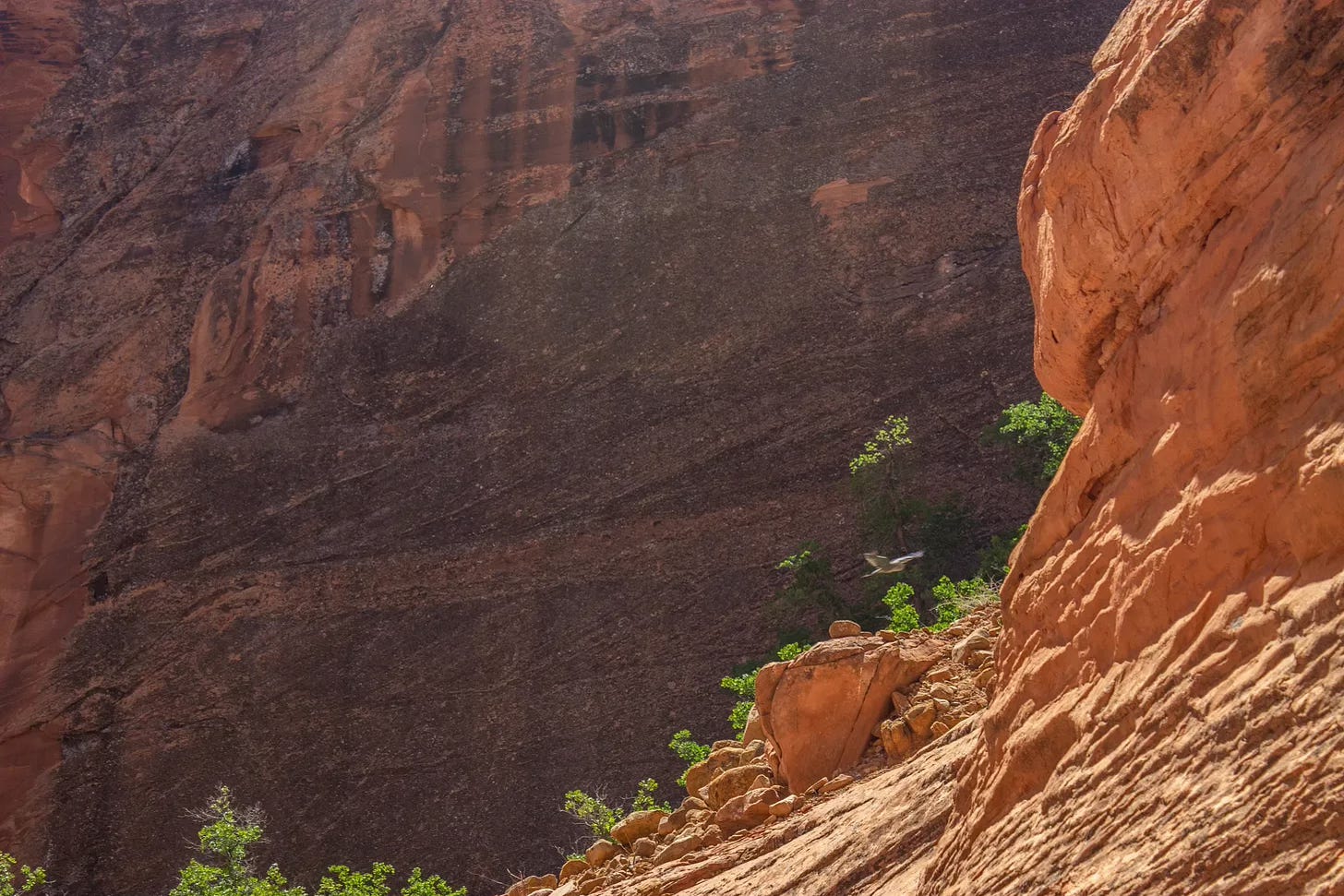
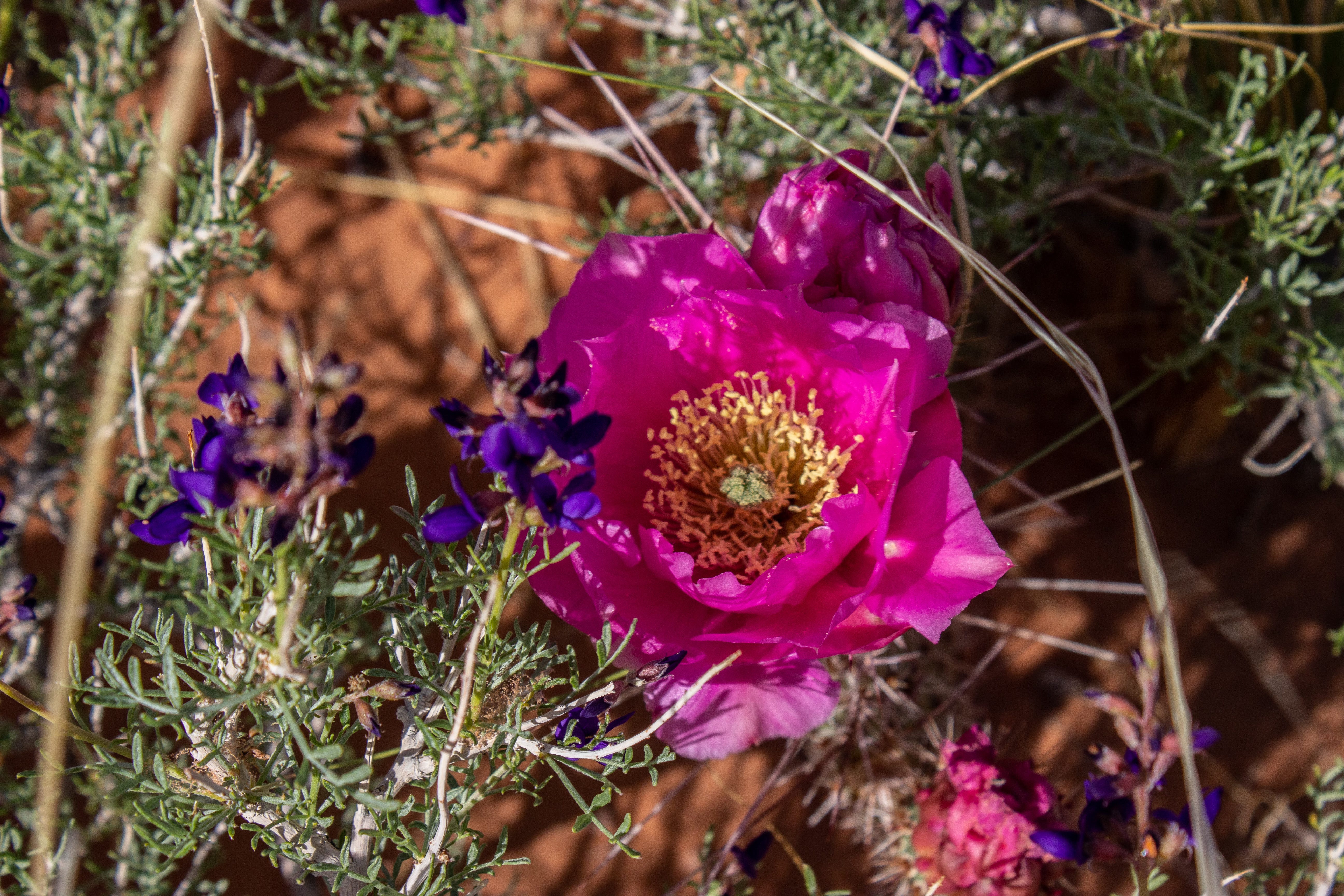
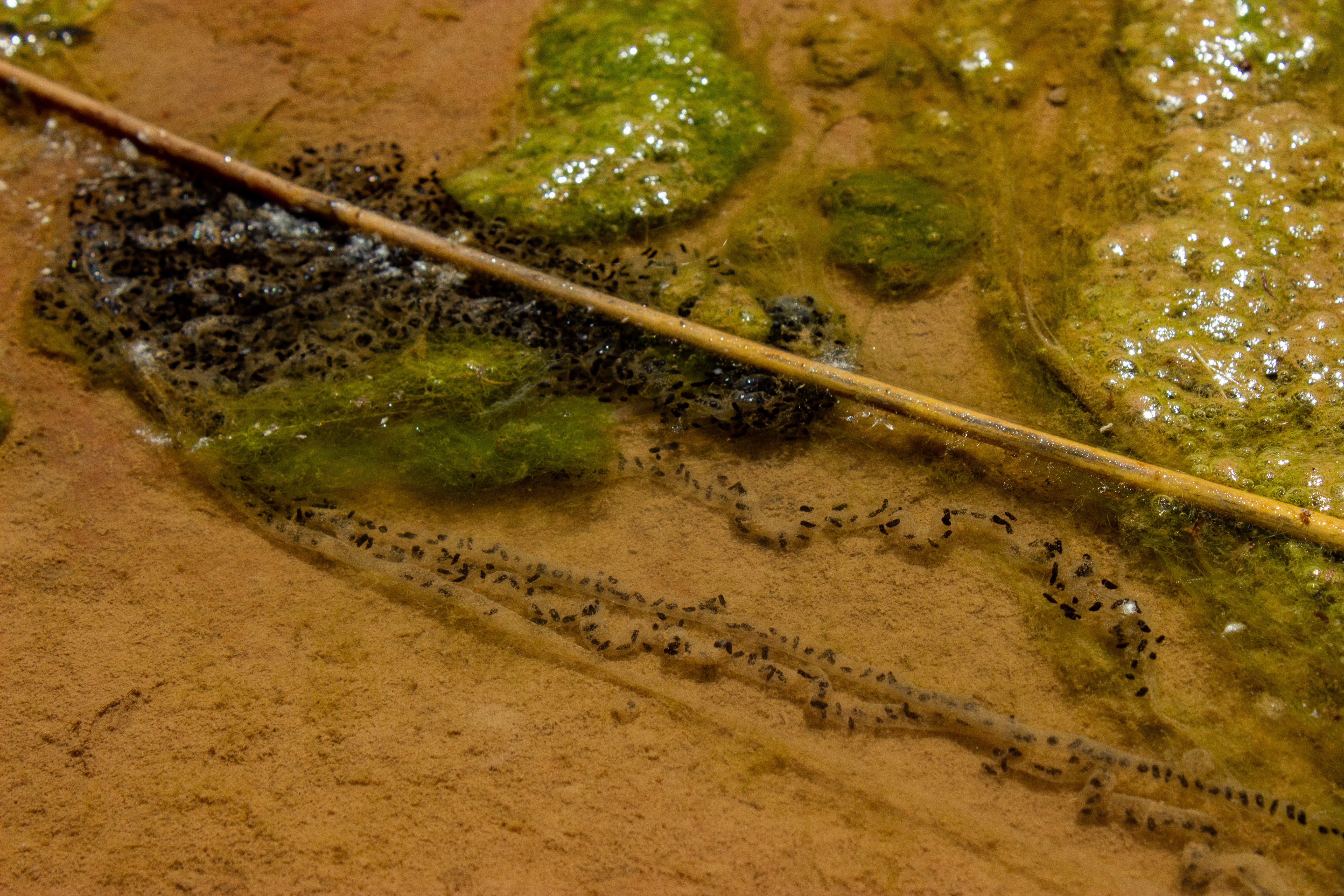
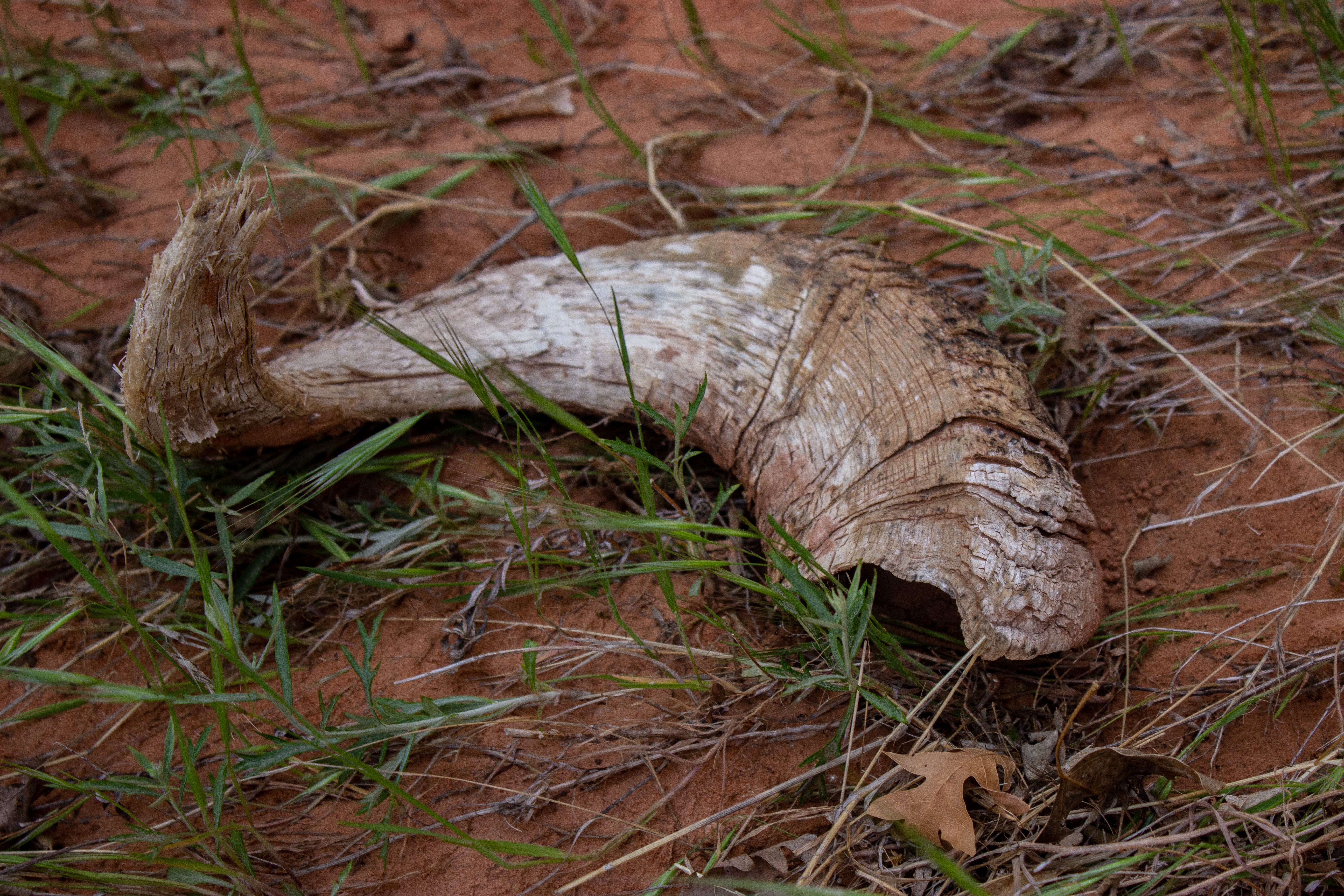
Staying informed can quickly devolve into crippling anxiety or worse, paralysis by doom. This week, leaked documents reveal the Interior’s plans to review at least six national monuments with the intent to shrink them and fast-track mineral extraction. Another leaked Interior draft for 2026 when the administration plans to massively cut public land agency funding, and transfer some National Parks to State management with the intent to sell off portions of National Parks. And in Nevada, a proposed deal is underway to “dispose of BLM lands” for development.
There is no way for me to avoid this news because it affects everything I write about and every inch of land I surround myself with. Escaping into nature, even out my front door, puts me on the front lines of a place the energy vampires are fiending for. It makes me feel physically ill often. The news is fucked up, but living in this state is unsustainable. Can you relate?
To deal, I am building my life support tool kit. Right now, it looks like this. Each time I learn of an issue I am gravely concerned about in the U.S. (which is several times a day), I ask myself:
A) What can I do about it now? (Things like writing public comments, calling reps, or talking to an expert for a new perspective on the issue.)1
B) What can I do for it? (For public lands, as an example, these are acts of stewardship––from picking up trash to volunteering.)
C) What do I need to do for myself to handle what may be ahead?
This is where looking at the ground comes in. Despite all the talk about not “sticking our heads in the sand” it may be what some of us need to do––for a moment. That’s because taking in this information and taking action both drain our energy and our resolve which both function like springs. (I refuse to use a battery analogy in this energy-dominant moment). At a spring, water wells up, or down, in a seemingly eternal flow. Yet that water is finite. It was deposited, by rain, snow, or runoff, at an earlier point in time to be slowly released in measured doses. This continues despite fluctuations in the recharge supply of water, but some must be deposited or the springs dry up.2
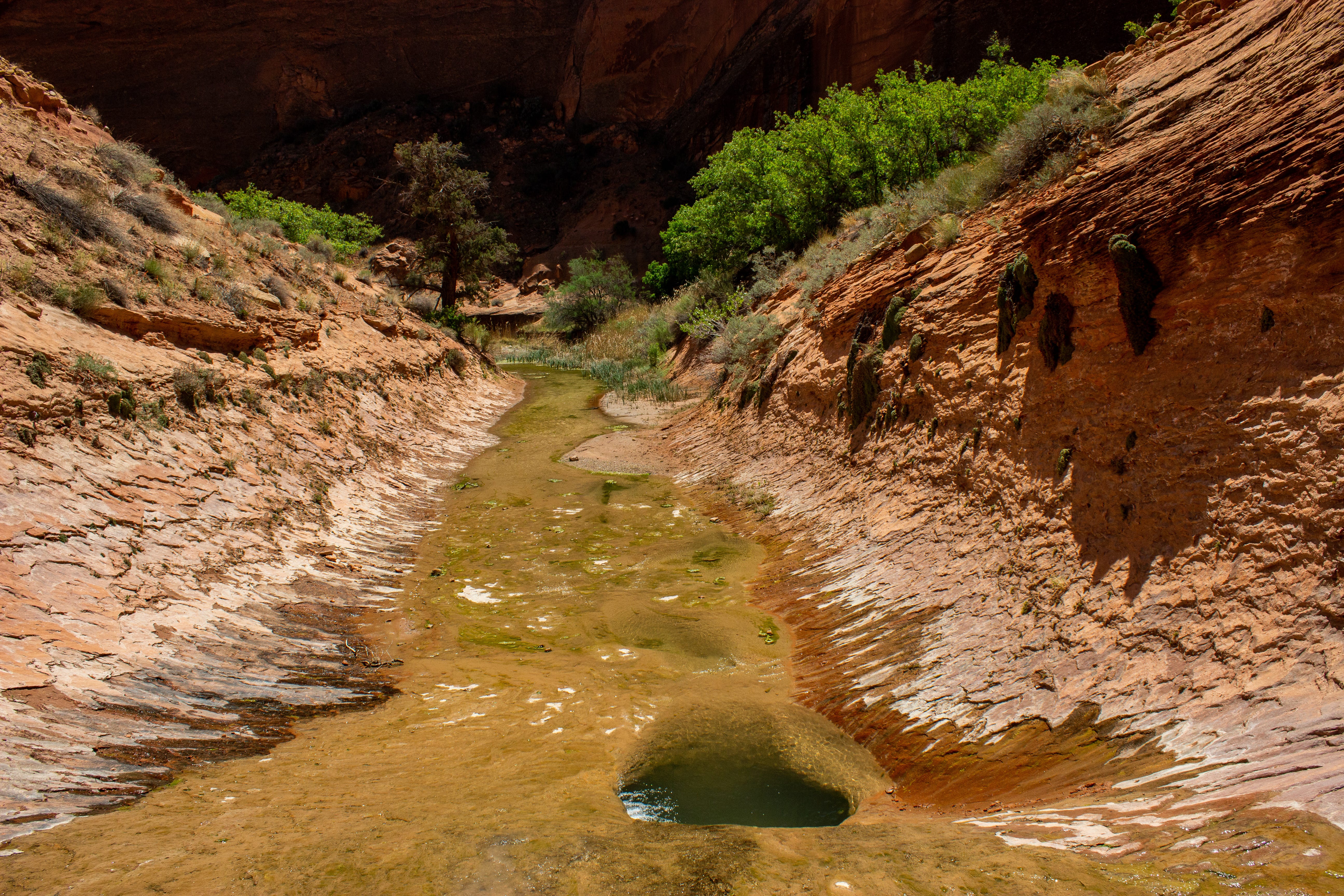
I gravitate to riparian corridors to collect precious water in the desert. Here, I also fantasize about metamorphosing from humanity to be a part of these miraculous life zones surrounded by massive swaths of aridity. “I’d rather be a coyote,” wrote Katie Lee (a folk singer known as the Goddess of Glen Canyon).
I concur, but I would also happily be a coyote willow (salix exigua). These rhizomatous plants propagate underground through roots and shoots. Looking down canyon at a ribbon of green willows swaying, it is impossible to point to a beginning or end; willows flow constantly in every direction like the midsection of a stream and its tributaries. The willows spread without a traditional hierarchy––each branch is part of the whole.
As remarkable as the willow’s root systems are, they offer only temporary stability. With a loose grip in the soil, nomadic willows readily lift up to migrate with flash floods, spreading their seeds to grow somewhere new.
The constant habitational flux throughout my life nurtures my affinity for willows. Walking among them, lithe green stems grazing my legs and cheeks, I remind myself to welcome change as an opening for growth. But the willows ask me to remember that uncertainty and unrest are opportunities too. Willows are resilient and thrive in disturbance.3 Is it possible then, for us humans, somehow to find a way to do that?
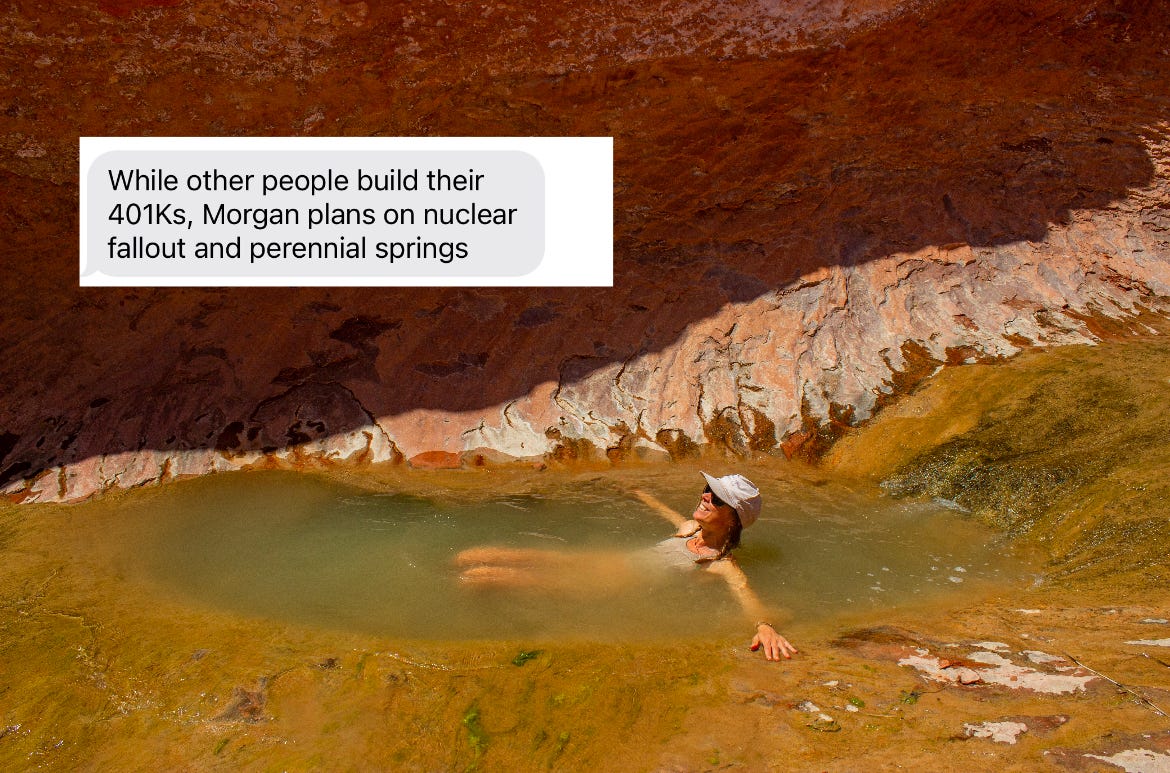
For me, the wellspring of energy support I need is within the same places the administration thinks would be better served to procure coal or uranium to power data centers. Public lands currently make this available to everyone. And its why I have asserted in all of my books how important it is for people to visit, fall in love with, and build a relationship with public lands.4 But right now, public lands need more lovers to defend them than ever before. And it is through respectful visitation of public lands that, I would wager, almost anyone can become an advocate for their lasting protection.
Best of all, this does not mean going to the most popular, far away, scenic spot with a catchy name. It means going outside. And it need not be an official federal public land area if there is not one near you. A local park or open space will do. (My Dad loves to take me on tours of seemingly abandoned suburban lots teeming with native plants and wildlife.) It is a relationship with nature that is needed for humans to nurture it. For it is not traveling to a place that we need, we are starving to understand our place within it. A way to see we are nature.
Once you find a place you love, let it guide you. When we realize we need a landscape, it means the landscape also needs us. By this, I do not mean a named location on a map. The exposed sinews of the earth are openings for more than human relationships. Love encompasses reverence and responsibility. How can we best care for the landscapes that tug at us?
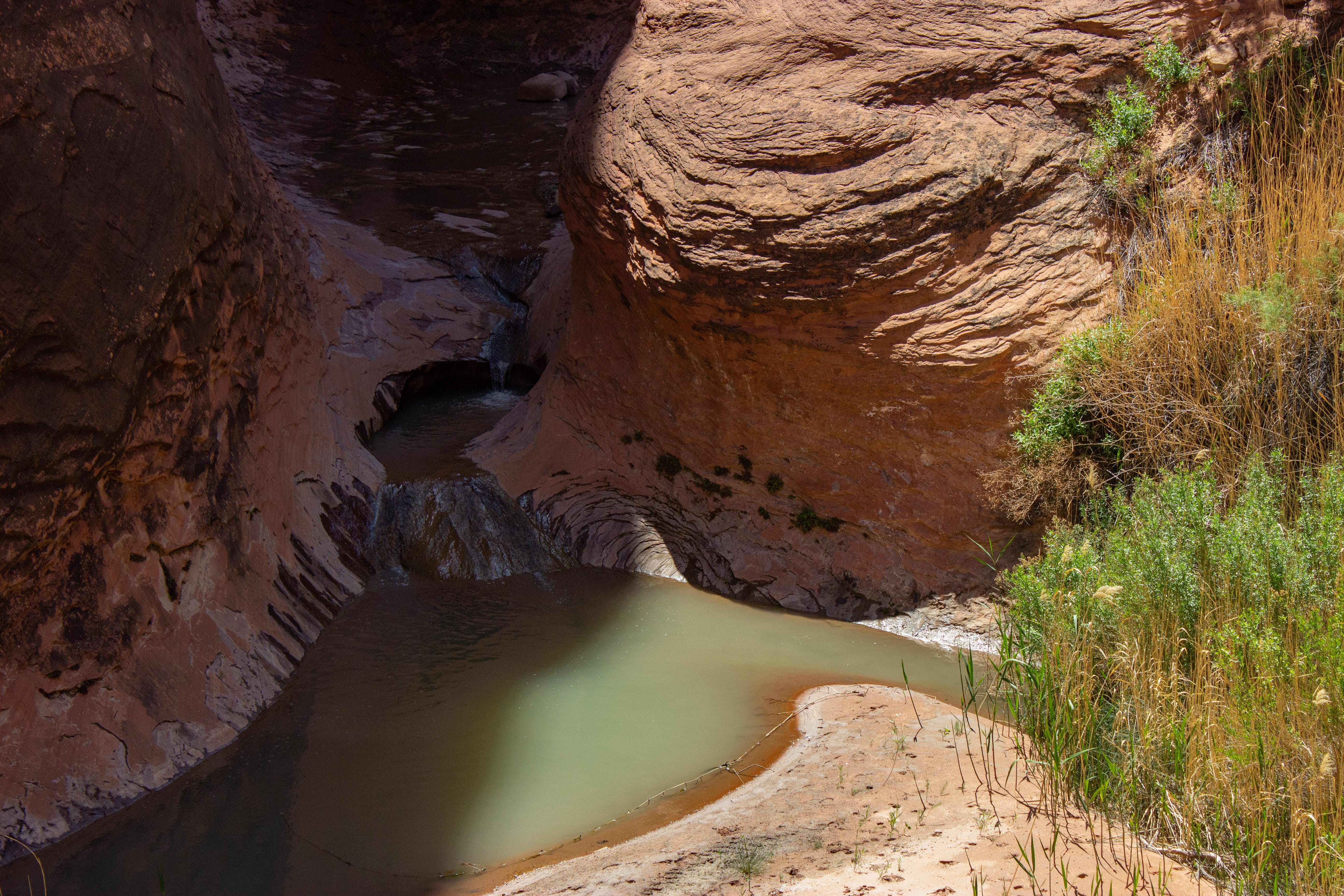
Our efforts cannot stop here, but it must start somewhere. Even by looking at the ground.
Next week I will be speaking on this topic at Amazing Earth Fest in Kanab, Utah. If you are in the area, or up for a road trip, I would love to see you there!
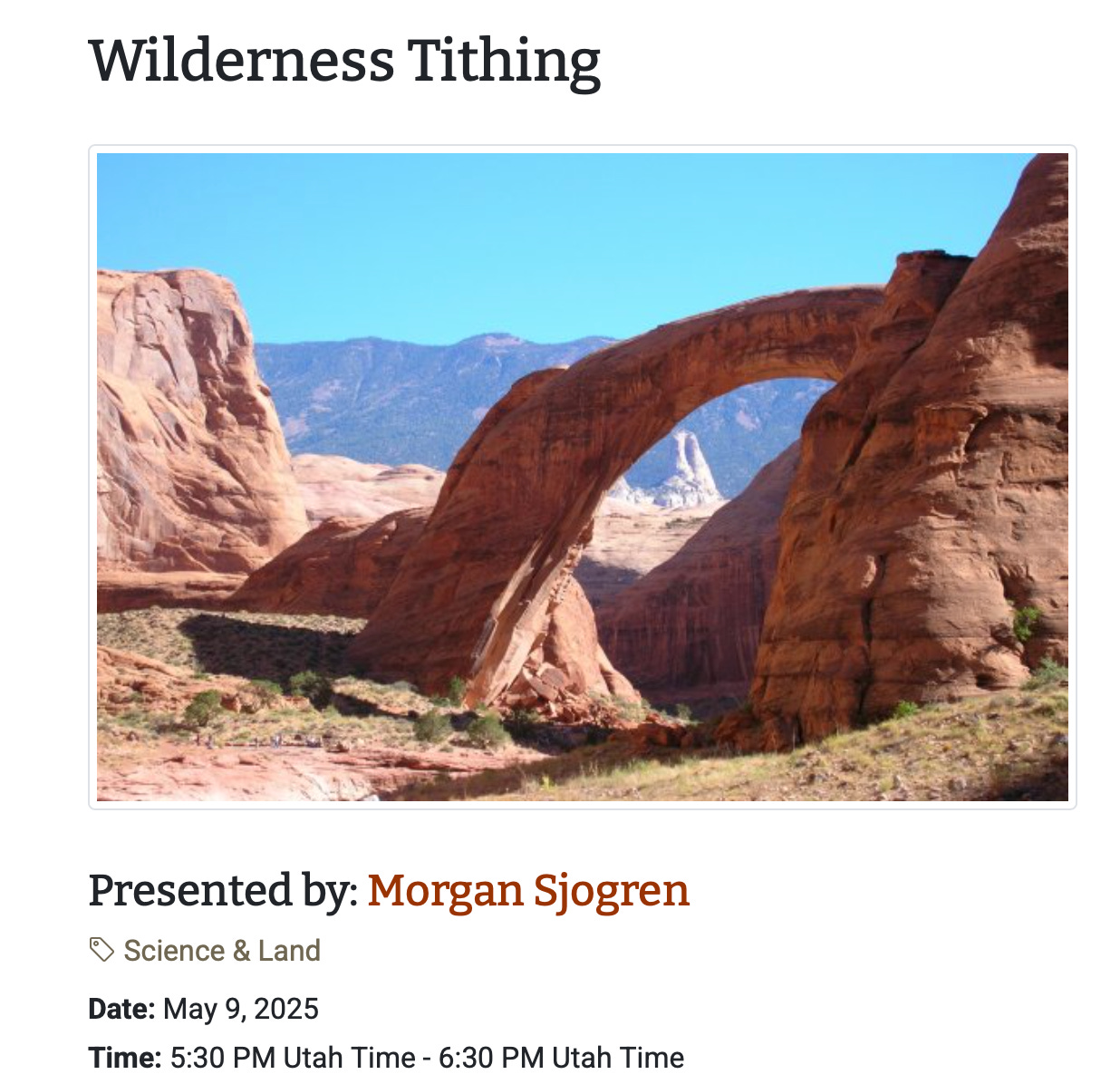
More info:
Express your love for the land! Join author and adventurer Morgan Sjogren for an interactive conversation and writing workshop focused on giving back to the places we love. Learn how the one-hundred-year-old journals of Charles L. Bernheimer led Sjogren to retrace a 300-mile expedition in Glen Canyon for her book Path of Light.
More than just a sightseer, Bernheimer's vision to protect areas surrounding Glen Canyon evolved into the first proposals to preserve present-day Bears Ears and Grand Staircase-Escalante National Monuments. The author will highlight ways to donate and/or volunteer to help safeguard the landscapes we call home and love to visit. All materials provided. No prior writing experience necessary.
Location: Nomad Cafe and RV Park
I spoke with an environmental lawyer this week about public comments and writing representatives. These letters are so important right now. No, your letter alone will not change the administration’s mind about anything, but the letters are utilized by lawyers and groups doing the heavy lifting to show the significance of public support. Writing these letters also shows our participation in democracy beyond the election. As the administration licks its chops for ways to diminish our voices, making them heard, and utilizing our right to do so, is more important than ever!
The ghost of Edward Abbey is also here to take your hand once you put down your phone:
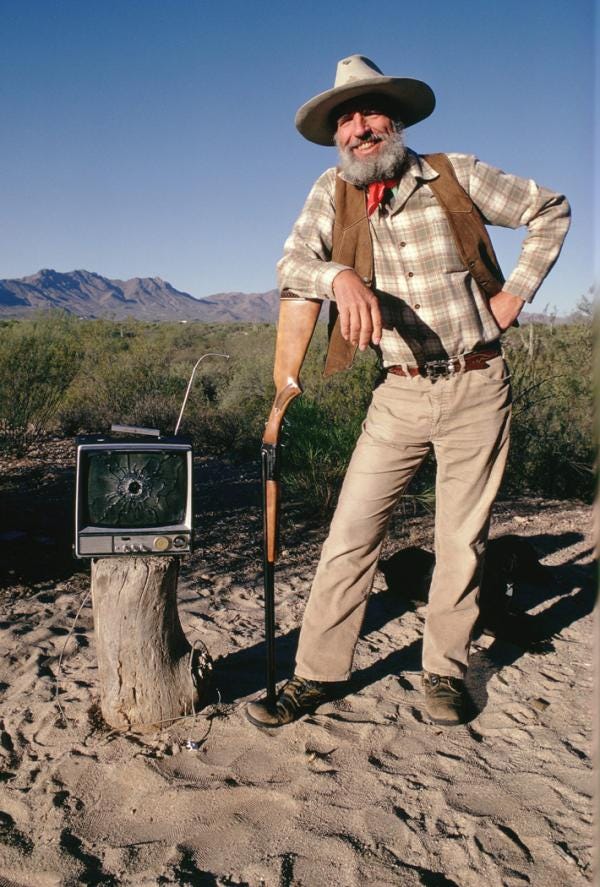
“One final paragraph of advice: do not burn yourselves out. Be as I am - a reluctant enthusiast....a part-time crusader, a half-hearted fanatic. Save the other half of yourselves and your lives for pleasure and adventure. It is not enough to fight for the land; it is even more important to enjoy it. While you can. While it’s still here. So get out there and hunt and fish and mess around with your friends, ramble out yonder and explore the forests, climb the mountains, bag the peaks, run the rivers, breathe deep of that yet sweet and lucid air, sit quietly for a while and contemplate the precious stillness, the lovely, mysterious, and awesome space. Enjoy yourselves, keep your brain in your head and your head firmly attached to the body, the body active and alive, and I promise you this much; I promise you this one sweet victory over our enemies, over those desk-bound men and women with their hearts in a safe deposit box, and their eyes hypnotized by desk calculators. I promise you this; You will outlive the bastards.”
Endurance coach Steve Magness wrote an excellent piece about resilience for athletes that reminds me of the willows. It also reads a lot like a playbook to keep our heads, hearts, and actions in the game of democracy right now: “Tough teams come from being a decent human being. From supporting, creating an environment where people feel like they can take risks without fear of punishment. From creating cohesion through genuine connection. From letting go, and making people feel like they have a voice and can positively impact the trajectory of the company. People perform best under highly stressful situations when they are challenged, not threatened. Our modern workplace is often set up to do the latter, instead of the former.” Today while walking downriver, I will be meditating on how this also applies to our relationship with public lands, and how that is itself an opportunity to foster community and connection with people––all critical to reisting authoritarianism.
Because this overlays with issues of overcrowding, mismanagement, and Instagram geotags run amuck, it can incite a lot of outcry best addressed in a wholly different type of essay.
I certainly spend some of each day “sticking my head in the sand”. And after weekends of protests with fellow dissenters I spend DAYS with my entire being hidden away. We surely have to take care of ourselves first and foremost! How else can we possibly continue keepin’ on? We do what we can and leave the consequences to something beyond us. Thank you, Morgan, for the reminders from Ed and Katie and yourself to get out there and enjoy what we love! Especially now while we still have it to enjoy.
Very nice to see this in my inbox and even nicer to read. As a former and maybe future desert person, I appreciate your words- we should all take a little time out to find our own perennial springs, even in the city. I hope you don't mind if I restack and send this exceptional essay to Bluesky.